





When Maine Democrat Senate candidate Graham Platner was forced to drop out of the general election race after numerous women accused the Oyster Man of manhandling and sexually assaulting them, it set off a mad scramble among state Democrats to replace him.
The state Democratic Party decided to have the issue of a replacement for Platner decided at a state party convention on July 25, when 500 delegates, elected at county conventions held this week, and another 101 chosen by the state Democratic Party Committee, will arrive in Bangor to choose their candidate. There's no margin for error or delay. State law requires that July 27 be the last day on which they can submit the name of the replacement nominee for inclusion on the ballot.
“We are in a perilous situation, and there is no perfect way to deal with an unprecedented situation like this,” one of the candidates, Jordan Wood, told reporters this week. There are currently eight candidates who have announced their intention to run.
Former Maine Senate President Troy Jackson has already tried to claim the mantle of logical successor to Platner.
“You poured your hearts, your time and your energy into building this movement alongside another candidate in Maine, and I know that there’s real pain, anger and disappointment, and I’m not going to try and minimize that,” Jackson said Monday on a call with members of the national progressive group Our Revolution. “But look, this movement has always been bigger than one person.”
Candidates face a 5 p.m. Wednesday deadline to declare their intent to run, with the first scheduled debate on Thursday. By the end of Monday, candidates will need to submit 500 signatures to qualify for the ballot, including 50 signatures from at least eight separate counties.
On Tuesday night, the Maine Democratic Party said it had already received more than 5,500 submissions from Democrats who either want to be delegates or attend the county meetings to pick delegates.
It is a process with a far smaller electorate than a traditional primary, requiring an intense focus on organizing and interpersonal relationships. At least some campaigns may have reached out to, if not spoken to, all 601 delegates by the time they arrive in Bangor.
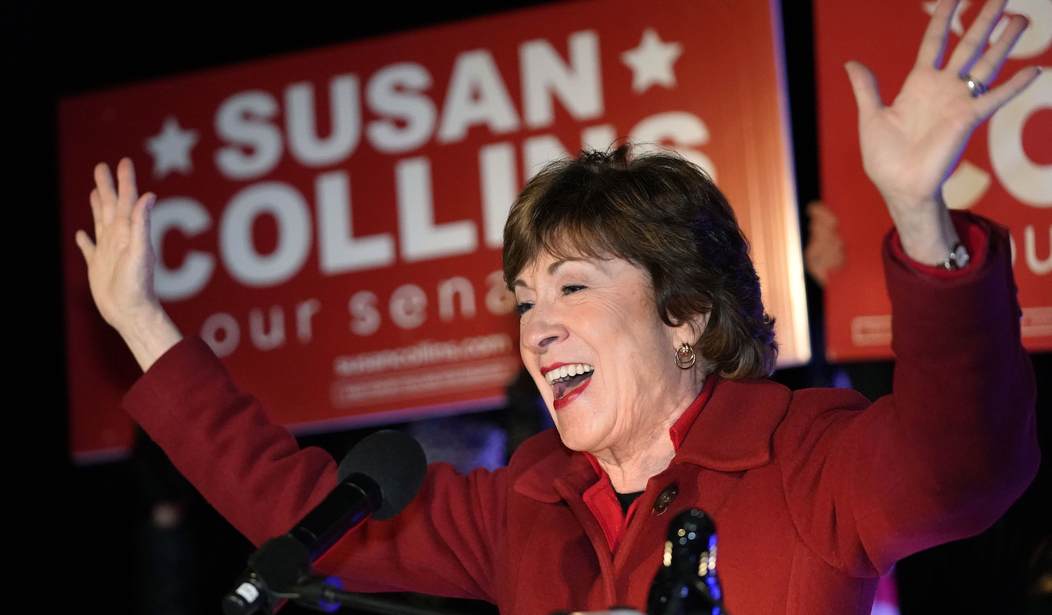
With the Senate in play and incumbent GOP Sen. Susan Collins in trouble at home with her own party, the race has created intense national interest.
“I think that all of us are working hard to make this process transparent, inclusive and as timely as possible,” Paige Zeigler, chair of the Waldo County Democrats, said in an email that partly addressed out-of-state political observers: “We Mainers will show the way because ‘as Maine go, so goes the nation.’ Now follow us and elect some damn good leaders this November.”
Nirav Shah’s campaign for governor, which got the most votes before the "ranked choice voting" bug bit her, was in the process of winding down her campaign after the June 9 primary, which she eventually lost to Hannah Pingree, when Platner's exit started a mad scramble to get the 500 signatures from eight counties needed to be on the convention ballot.
“Our team basically never stood down,” said Kayla vanWieringen, Shah’s campaign manager. “Everyone just completely mobilized.”
Another former candidate for governor, Maine Secretary of State Shenna Bellows, has been leaning on “super volunteers” and “county captains” from her last campaign to help collect signatures and organize for the convention.
Shah and Bellows have big advantages organizationally. But this kind of wild west format is likely to throw up a candidate who can stampede the delegates and seize the nomination. The format does not favor moderates or pragmatists.
Publicly, campaigns have been quizzing supporters on whether they plan to attend their county meeting this weekend, and if so, whether they plan to run to be delegates themselves or support that campaign’s delegate candidates. Ideally, a campaign could emerge from the county meetings with a known baseline of support for the convention.
“The goal is to lock in as many delegates you can this weekend so that you feel good heading into the nominating convention in Bangor,” the person familiar with Jackson’s operation said.
Even then, delegates are not legally bound to support a particular candidate, and their loyalties could shift from the county meetings to the convention, where there will be multiple rounds of voting until a candidate wins a majority.
“Nothing is set in stone,” said one person involved in the race.
Susan Collins has alienated Republicans in her state, not to mention the national Republican Party. She is underwater with independents, and her favorability rating stands at 38 percent. The pro-abortion and feminist crowd is energized after her vote to confirm Brett Kavanaugh to the Supreme Court, and polls show she's in a statistical dead heat with Shah, Bellows, and Jackson.
With ranked choice voting, unless Collins can get more than 50 percent of the vote, the second- and third-place choices will be in play, almost certainly leading to her defeat.
Platner would have been easier to beat.
Editor's Note: The Democrat Party has never been less popular as voters reject its globalist agenda.
Help us continue exposing Democrats' plans to lead America down a dangerous path. Join PJ Media VIP and use promo code FIGHT to receive 60% off your membership.


Join the Conversation
VIP members get the ability to comment on articles.