





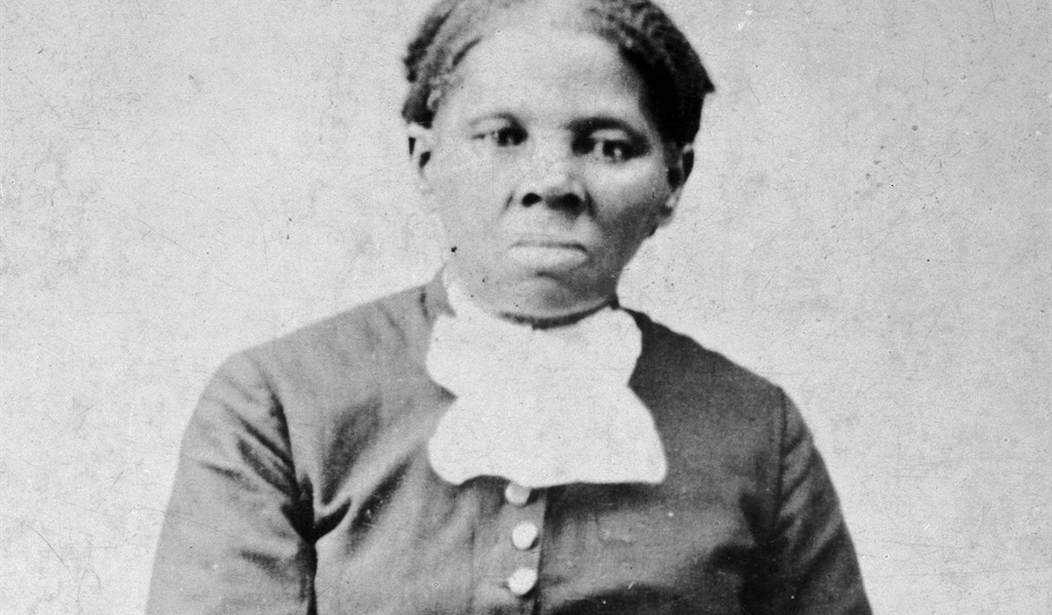
U.S. Treasury Secretary Scott Bessent gave a short answer to a long-running fight over American memory. Asked whether the Treasury Department still planned to put Harriet Tubman on the $20 bill, Bessent said, “We are not at present.”
Should Harriet Tubman be featured on $20 bill? NewsNight panel debates. pic.twitter.com/5tyHyz3ZXc
— CNN NewsNight with Abby Phillip (@CNN_NewsNight) July 8, 2026
The answer landed hard for our betters on the left.
The argument is simple: Andrew Jackson was a slave owner and triggered the trail of tears leading to the deaths of thousands of Native Americans. Replacing him with Harriet Tubman is pretty clear…
— Sudz 🇭🇹 (@Sudsssy) July 8, 2026
I watched this last night and she got me so annoyed. She could have ended her argument when she said she think Harriet Tubman deserves recognition and shut up after that. However she blew it all when she continued into what was clearly a racist undertone as to why it should be…
— MikeyD🇯🇲🎹 🌊 We Shall Overcome…God Is King. (@MikeyD15) July 8, 2026
BOOOOOOO!! Harriet Tubman is more awesome than all of Trump's cabinet combined! https://t.co/6YzWzBcMmD
— ✨DiscoWizard💫She/Her✝️ #BeKind KnitWit 🇺🇦☮️ (@DiscoWizard83) July 8, 2026
Then there's the question of myth versus reality.
Wait. Harriet Tubman was real?
— Jeff 🇻🇦 (@CatholicSquid) July 8, 2026
The Tubman plan was never about currency; it was about who gets honored, who gets replaced, and whether national symbols should be changed through sober judgment or political pressure.
Harriet Tubman doesn't need anybody to pad her record. Born into slavery in Maryland, she escaped, then returned again and again to guide others to freedom through the Underground Railroad. The National Park Service describes her as the Underground Railroad's best-known conductor and says she helped guide 70 slaves north before the Civil War. She later served in the Union cause and carried her fight into women's suffrage.
Her courage stands without a marketing campaign.
The problem was the political game built around her name. In 2016, Treasury Secretary Jacob Lew announced plans to put Tubman on the front of the new $20 bill, keep Alexander Hamilton on the $10 bill, and move Andrew Jackson to the reverse side of the $20 bill.
The larger redesign also included suffrage leaders on the $10 bill and civil rights figures on the $5 bill. In a calmer era, Americans might have debated the whole plan as history, art, security, and national identity.
Instead, it became another battle in the memory wars.
No one has to pretend Jackson's record is clean. Andrew Jackson was the seventh president of the United States, a military hero, and a giant figure in the rise of mass democracy. He also pushed Indian removal, and the Trail of Tears remains one of the darkest chapters in the American story.
A mature country can hold both facts at once; erasing one name to elevate another often teaches less than leaving Americans to wrestle with the full record.
Currency has never been a casual billboard. Federal law says only the portrait of a deceased person may appear on U.S. currency and securities. Bessent also noted that redesigning an existing bill takes years, especially when anti-counterfeiting work is involved.
The 2016 Treasury plan itself stressed security requirements and sophisticated production. Bills pass through millions of hands; they shouldn't be redesigned every time politicians in Washington want to send a message.
America should honor Tubman. Put her in classrooms, preserve her sites, and teach children what it cost to run toward danger when safety was available. Name something worthy for her because her life deserves it, not because some committee needs a symbolic victory over another dead American.
The same rule should apply to bills, statues, street names, and military bases. Change may be right at times, but it should come from gratitude and truth.
Not fashion.
Sen. Jeanne Shaheen (D-N.H.) has pushed legislation to place Tubman on the $20 bill and criticized Bessent's decision. She's free to make that case, but Americans are also free to ask whether our public symbols are being strengthened or treated like prizes in a partisan auction.
A country that swaps names too easily may not be honoring history; it may only be teaching each generation to wait its turn with an eraser.
Harriet Tubman was brave before Washington discovered her usefulness. Andrew Jackson was complicated before activists discovered his sins. America is large enough to remember both without turning every bill into a verdict and every monument into a political scalp.
It's not a question whether Tubman deserves honor: she obviously does. The question is whether a nation can still honor greatness without turning memory into a weapon.
PJ Media VIP gives you the stories and analysis that don’t bend with the approved narrative. Right now, you get 60% off with promo code FIGHT. Use the link below and join us behind the paywall.
Join the Conversation
VIP members get the ability to comment on articles.