





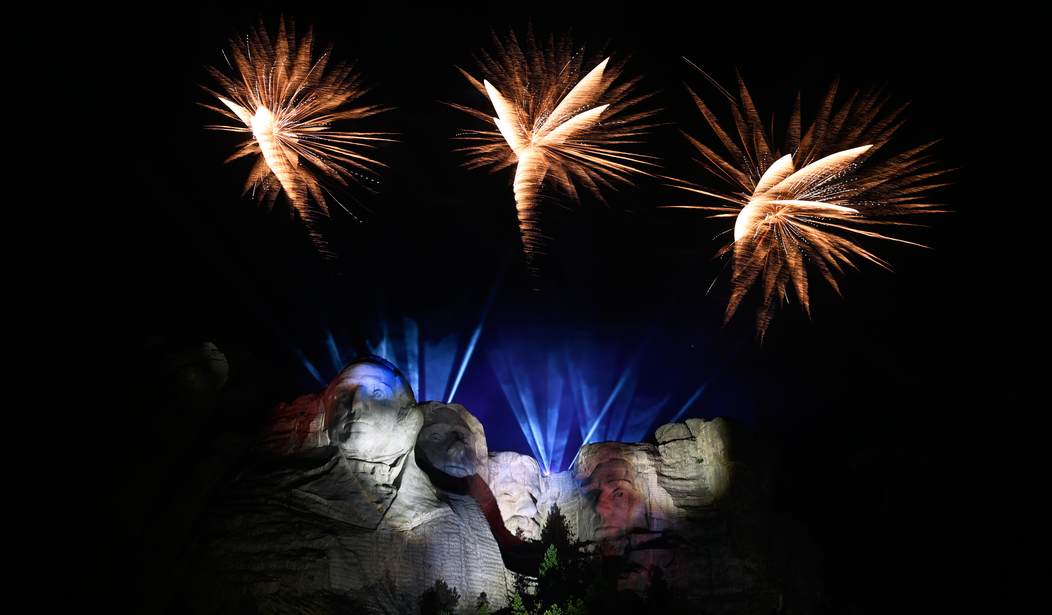
For America's 250th anniversary celebration, we present wondrous American composers.
Stephen Foster
Stephen Foster was born on July 4, 1826 (interestingly enough) in Lawrenceville, Pa. When he was a child, he attended private schools. Inspired to become a songwriter, he was influenced by musician Henry Kleber and circus performer Dan Rice, having been exposed to them in his formative years. As Foster grew up, he played piano and sang traditional songs. For a while, he was employed as a bookkeeper for his brother's company, but he never stopped writing music!
Foster was the songwriter behind the beloved folk song "Oh, Susanna!" and remarkable Sunday school hymns, including "Give Us This Day!". His swan song was "Beautiful Dreamer," published posthumously.
Hymns are the backbone of every church service. "Give Us This Day" can be the anthem of more purposeful living since each day is a gift from Jesus in the song; it contains the Lord's Prayer ("give us this day our daily bread") set to music. "Give Us This Day" reflected America's foundation of Christian values.
The Southern-themed folk song "Oh, Susanna!" is inextricably and uniquely connected to America. "Oh, Susanna, don't you cry for me/I come from Alabama/With a bandage on my knee." When he did not pen hymns, Foster also showcased the American dream with a variety of musical folk art.
Edward Kennedy "Duke" Ellington
Edward Kennedy "Duke" Ellington was a prolific jazz producer born in Washington, D.C. on April 29, 1899. Among his masterpieces are "Money Jungle" and "Take the A-Train" (as per Ken Burns' Jazz film, the latter score contained the directions to Ellington's Harlem apartment). Like their son, both of Ellington's parents played piano and had a keen interest in music, according to Ted Gioia's The History of Jazz.
In addition to composing music, he functioned as a talent scout to construct his own orchestra and wrote scores for specific musicians to play, such as the popular trumpet player Bubber Miley. He hired musicians who had the reputation of being talented enough to land these positions. He was a swing and "sweet music" (then common in 1920s dance halls) artist, but briefly explored avant-garde jazz when working with fellow composer Charles Mingus. Ellington's orchestra operated on the traditional value of a meritocracy, and he also showed the American artistic spirit.
John Birks "Dizzy" Gillespie
John Birks, whimsically known as "Dizzy" Gillespie, was a pioneer of the bebop subgenre of jazz in the 1940s. His creativity and good nature, formed in childhood, were a bridge to his adult career in New York and Philadelphia and his education at the Laurinburg Institute. It is arguable that music and a strong sense of humor supported him from a young age, allowing him to develop a joyful musical style. He was born on October 21, 1917.
He was born in Cheraw, S.C. According to Ted Gioia, there were lots of musical instruments, including the mandolin, in his home. Dizzy started his forays into music in a grade school band, where he played trombone, and the trumpet was always his favorite instrument. His hero was a music teacher who knew good music when she heard it but couldn't read sheet music. In other words, the teacher was intuitively aware of the notes by their sound while lacking technical musical knowledge. Unfortunately, she was only able to teach Dizzy to play a B-flat note. Music could have been his comfort while he endured his ill-tempered father, poverty, and the Great Depression. With grit, Dizzy did not call it quits after a curb-stomp defeat during a trumpet challenge because he was energized to learn the correct way to play the instrument. In the words of Groovin' High author Alyn Shipton, Gillespie resolved, "Boy, I'm going to learn how to play those other keys" because he realized "I could only play one key at a time."
A more profound instance of his good humor is how the Dizzy trumpet was created. Somebody accidentally sat on his trumpet during a live show. Gillespie saw the best in the accident, and trumpets are now custom-made to imitate the original broken trumpet from that concert. The bebop genre, Gillespie happily said on the BBC, was named after a phrase that could end a sequence of scatting, like "do be do bebop." This was a friendly and casual explanation. He also named a song "Oop Pop a Da" to be silly and to honor the hilarious nonsense words. In Gillespie's productions, he is authentically making an art form of music. In addition to the relaxing sound waves of music, a good sense of humor likely also fortified Dizzy Gillespie because both foster healthy mentalities.
Dizzy gave something new to swing conventions while creating bebop. In "Manteca," Dizzy mixes Cuban and swing music for a wondrous result. The Cuban sections play the drums differently than the swing, and the tempo is just a little slower than the swing section, which is actually hot jazz on fire compared to swing music. The Gillespie swing is like the 1920s and 1930s swing but adds something more creative to it. The 1930s' Rhapsody in Blue was a mixture of jazz and Western classical music, but the swing era did not actively include Cuban music. Further, in a live show featuring "Salt Peanuts," Dizzy sings a lot of scat ("doo-bee-doo" types of song choruses) when he is teaching the audience how to sing this song. The scat is either an imitation of instruments or a new type of instrument altogether, like when Dizzy and another artist were scatting and clapping their hands to behave as instruments during a 1980s live show. In "Salt Peanuts," there might be multiple different tunes in the same song. The opening riffs and the chorus are distinct tunes. The opening and closing riffs are mainly the same because they are clinchers for the song. Scat singing and fast music are traditional bebop qualities. Some of Dizzy's most famous songs or performances are "Manteca," "Salt Peanuts," and "Hot House." Dizzy Gillespie and fellow jazz master Charlie "Bird" Parker performed bebop together, as legacy artists must, and recorded an album called Bird and Diz.
Dizzy's bounce-back from many setbacks is similar to the American mentality of rising above any challenge and creating artwork that brings joy to many people.
Editor's Note: It’s America’s 250th birthday! Help PJ Media celebrate the greatest nation in history by honoring its past, defending its present, and preserving its future with reporting you can trust.
Join PJ Media VIP and use promo code AMERICA250 to receive 74% off your membership.
Join the Conversation
VIP members get the ability to comment on articles.