




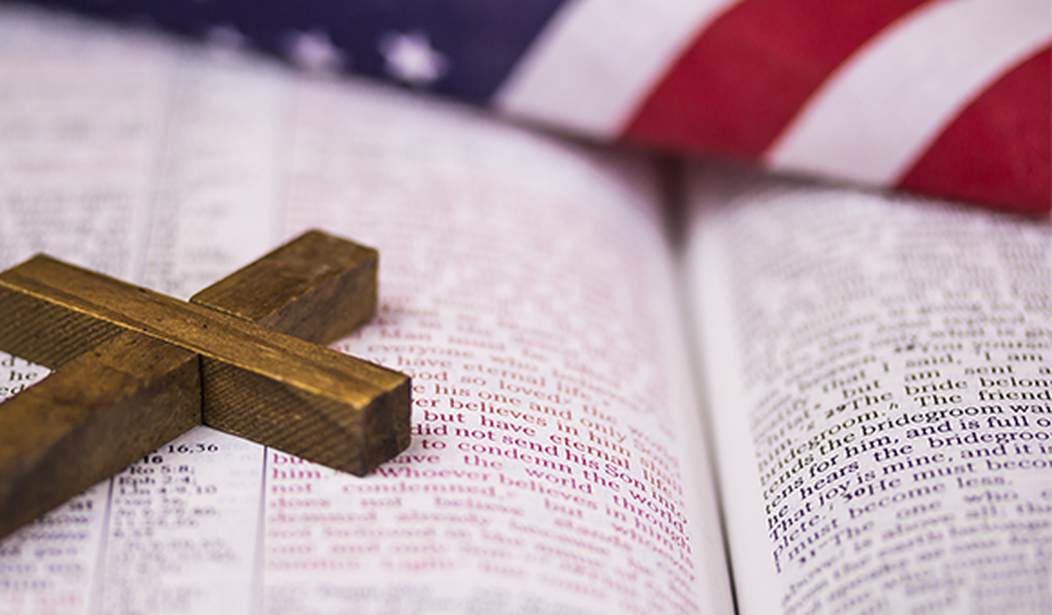
An election can change who holds power overnight. It cannot change the beliefs shaping a nation. Long after ballots are counted, competing visions of truth, morality, and human nature continue influencing America's classrooms, newsrooms, entertainment, and institutions. When Christians leave the public square, it does not become neutral. It continues to be shaped without them.
Every society operates according to convictions about what is true, good, and just. These beliefs are not optional additions to public life. They shape our laws, establish the legitimacy of government, define the limits of its power, and determine the purposes our institutions serve. The disagreement is not whether values should influence public life, but whose values will prevail. The prominence of socialist figures such as Zohran Mamdani has brought renewed attention to competing visions of government, economic stewardship, and public morality. Mamdani has supported legalizing prostitution, freezing rents on rent-stabilized apartments, and establishing city-owned grocery stores. These proposals demonstrate how deeply held ideological convictions translate into policies that affect everyday American life.
Debates over individual policies reflect a deeper contest between religious and political worldviews seeking to shape American society. Secularism challenges Christianity's historic influence on public institutions. Socialism and communism offer competing understandings of economic freedom, private property, and state authority. Islamic governance that places Sharia law above constitutional law conflicts with American protections for religious liberty, freedom of conscience, and equal citizenship. These differences are consequential because the principles governing a nation's institutions ultimately determine the freedoms its citizens enjoy. Defending the biblical convictions that helped inform America's founding ideals requires understanding what competing philosophies represent and what their influence means for the nation's future.
This struggle over competing beliefs is not confined to movements outside the church. Debates within Christianity also shape public discourse, particularly when Scripture is invoked to justify political positions. Texas political figure James Talarico has faced criticism for interpreting Mary's consent in Luke 1 as an argument for abortion rights. This interpretation departs from biblical teaching and exposes the danger of allowing political convictions to dictate how Scripture is understood. Biblical truth must be interpreted within the full context of God's Word, not selectively applied to advance a political agenda.
These examples expose the consequences of treating biblical convictions as private preferences rather than principles with public implications. America's understanding of human dignity, liberty, and accountable government has been influenced in part by biblical ideas. As Christianity's public influence diminishes, competing worldviews gain greater sway over the laws, institutions, and policies shaping American life. Constitutional protections alone cannot sustain a free society without citizens committed to moral accountability.
Defending these principles does not require Christians to turn the church into a political organization. Some believers hesitate to address cultural questions for fear of being associated with a political party. Yet the choice is not between partisan allegiance and silence. Christians can reject political tribalism without surrendering their biblical convictions. The church must never become the campaign headquarters of a political party. Neither should it become a sanctuary from the moral questions confronting the nation. Jesus calls His followers the salt of the earth and the light of the world. Romans 12:2 instructs believers not to conform to this world but to be transformed by the renewal of their minds. Neither passage prescribes a party platform. Both call for a faith evident in how Christians live, think, and serve.
That faith begins with a biblical understanding of human dignity and the proper limits of earthly authority. Because God created mankind in His own image, human worth is not determined by wealth, status, political affiliation, or usefulness to government. This truth has direct implications for how society treats the vulnerable and how institutions exercise power. Scripture also recognizes humanity's fallen nature. No leader is beyond error, and no institution deserves unquestioning allegiance. Accountable government, limited power, and civic engagement are necessary safeguards in a society of imperfect people.
These biblical principles also help explain the relationship between moral character and constitutional freedom. In an October 1798 letter to Massachusetts militia officers, John Adams wrote that the Constitution was made for a moral and religious people, reflecting his conviction that self-government depended on virtue. His warning underscores a truth every generation must confront: Preserving liberty requires more than defending constitutional protections. It demands citizens willing to exercise freedom with integrity, restraint, and consideration for their neighbors. Laws establish the boundaries of a free society, but the character of its people determines whether that freedom endures.
For Christians, cultivating that character begins with putting conviction into practice. Pastors must teach Scripture faithfully and equip congregations to address contemporary questions. Parents can instill honesty, compassion, and sound judgment in the next generation. Journalists, broadcasters, educators, business leaders, and artists can influence culture through work distinguished by integrity and a commitment to truth.
Religious liberty and free speech, priorities central to NRB's work, protect the right of Americans to participate in public debate. Those freedoms must extend equally to people with different convictions. Faithful engagement demands both the courage to speak and the humility to listen.
Tuesday's election determined who will hold political power, but shaping the nation's character is a task that extends far beyond the ballot box. The principles guiding America's future are being formed in churches, classrooms, homes, and institutions every day. Culture will be shaped by those willing to defend and live out their convictions. Silence only leaves that influence to someone else.
Editor's Note: Do you enjoy PJ Media's conservative reporting exposing the radical left and woke media? Support our work so we can keep bringing you the truth.
Join PJ Media VIP and use promo code FIGHT to receive 60% off your membership.
Join the Conversation
VIP members get the ability to comment on articles.