


From Valley Forge to the wilderness of New York, to the heat of Georgia and Florida, one of the common threads of so many Revolutionary War stories is the starvation that many troops in the Continental Army had to endure. This got me wondering what those soldiers ate on a good day.
A well-fed enlisted man in Gen. George Washington’s army subsisted on a diet of standard rations that included hardtack, salt pork or salted beef, peas or beans, and rice or cornmeal.
For beverages, it was almost always water, though at times, they might have had coffee, tea, or beer, if available. You'd think water wouldn't be an issue, but the troops had to be careful about the water that they drank. More on that in a bit.
To feed thousands of troops, constantly on the move, with limited access to fresh foods or any real way to preserve them, food for the troops had to be as close to non-perishable as possible for the time period. And it has to be packable and shippable in packed wagons, pulled by a limited number of working animals.
Hardtack met these criteria. Made of flour, water, and salt, hardtack could stay good for years if properly stored. This menu item was a staple for settlers and the troops in the 1700s and into the 1800s. Many a Civil War soldier subsisted on hardtack as well.
Hardtack was inexpensive to make, but if you were to eat it today, you’d best have some water or a liquid you like to soften it up. Given the dental hygiene of the Revolutionary War period, there’s a good chance a lot of the troops lost teeth in that hardtack.
Washington and his officers knew that if his men were to have the strength for those long marches and be ready to fight, they needed meat. The proteins of choice were salted pork and beef because the salt helped preserve the often fatty and somewhat spoiled meat.
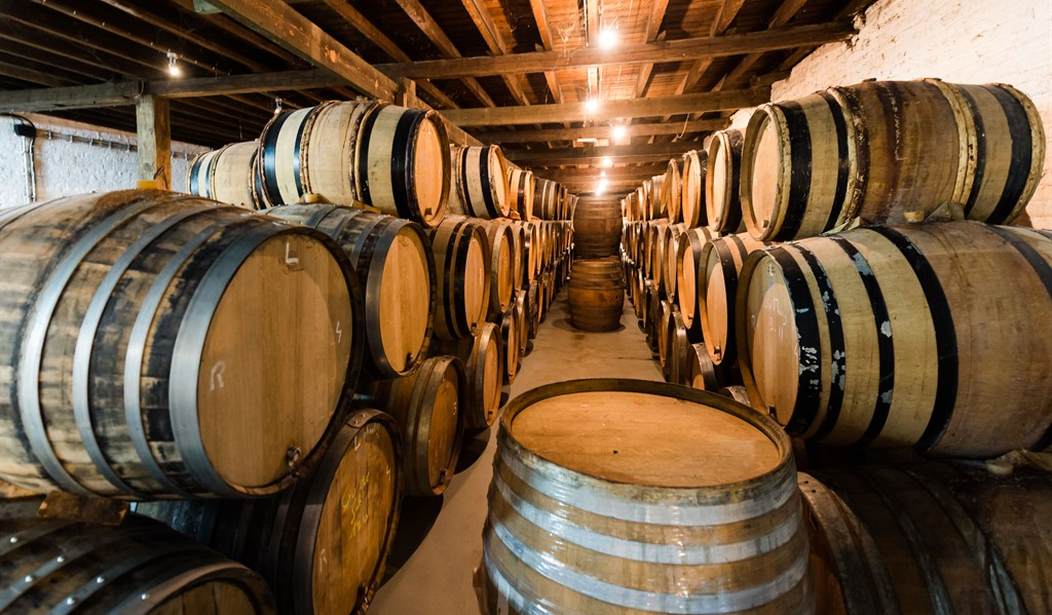
To help preserve their meat, the soldiers could smoke it or salt it. Once rubbed with salt, it would be stored in barrels, along with water.
Fruits or vegetables, like those beans and peas, were often pickled or dried. Though rare on the battlefield, fruits might have been made into a jam and used to make pies.
The officers would often encourage the men to eat the fresher foods during the warmer months and save the more storable foods for when the weather got cold.
According to the American Battlefield Trust (ABT), “Americans in the Revolutionary era drank a lot – three times as much as modern Americans! This was partly because clean, fresh drinking water was not always easy to find. Alcoholic beverages like beer, cider, rum, and whiskey were safer alternatives to potentially contaminated rivers, streams, or wells.”
The officers and Washington didn’t need that excuse. They lived well. Washington built a distillery at Mount Vernon, where he made almost 11,000 gallons of whiskey in one year, according to ABT. Along with his friends and contemporaries, the other founding fathers, Washington drank imported Madeira wine and tea.
Remember the Boston Tea Party in 1773? Back then, Americans took their tea and its related taxes very seriously. It was during the Revolutionary War that Americans started to choose coffee over tea. Think of that anytime you fill your cup with java: You’re enjoying an American tradition that traces right back to our founding fathers and the war for independence.
Officers ate better than enlisted men. They were more likely to have access to fresh meat and dairy, particularly butter and cheese, along with stews and soups.
The officer’s plate might have freshly caught poultry or game on it, along with bread and butter, and vegetables that included potatoes, a staple. Other vegetables included certain squash in season, cabbage, and more.
The most popular fruit was the most widely available one in the original 13 states – apples.
Relatedly, in addition to wine, water, tea, and coffee, Continental Army officers also particularly liked their cider.
Also for our VIPs: ‘America 250’ Tuesday: Five Podcasts That Will Get You in the Spirit of 1776
The U.S. Army Quartermaster Museum has done extensive research on the army's diet in the 1700s and says that, without the medical or dietary sophistication we have today, key policymakers noticed that a well-fed army was a stronger one that experienced fewer casualties:
Despite the fact that no knowledge existed of vitamins, calories, or of scientific food values as we know them today, the absence of fresh foods in the soldier’s diet did not escape medical notice. Dr. Benjamin Rush, a prominent physician, and army surgeon in 1777-1778, wrote that ‘fatal experience has taught the people of America that a greater proportion of men have perished with sickness in our armies than have fallen by the sword…’ The diet of soldiers should consist chiefly of vegetables. The nature of their duty as well as their former habits of life, require it.
Rush was right. More soldiers died as a result of starvation and sickness, and that would have been more easily avoided through better access to more nutritious and plentiful food.
Think about that as you plan your menu to celebrate America 250. In the meantime, make sure to toast those early troops with a nice glass of Madeira, cider, or even a cup of coffee to get yourself in the Spirit of 1776.