


It doesn’t matter if you have a high school diploma, a Ph.D., or a journalism degree, if you’re a rank-and-file leftist, you’re also a rank-and-file union member. Janitors, teachers, college professors, and Washington Post reporters like the feeling of safety, security, and protection that comes with letting the group bargain for you on matters of pay, benefits, working conditions, and retirement.
Independent as they pretend to be, their affinity for belonging to a union betrays a lack of the self-confidence they would need to bargain for themselves and do better financially.
Unions trace their power to the threat of a work stoppage in the form of a labor strike or a walkout. Secondarily, they sometimes have leverage on the PR front. They can shame the organizations they target under some circumstances.
This presumes, of course, that the employer needs you. When garbage workers go on strike, it isn’t long before the trash starts to pile up. Rats start to come around. If the weather is hot, those piles start to stink really badly. Guess who has the upper hand in that labor negotiation? It’s the garbage workers. They have real leverage.
But what happens if reporters at a major newspaper go on strike? Would anyone notice? Probably not. Their words can be replaced by wire stories from the Associated Press and syndicated creators. The paper can hire freelancers to fill the void. In the end, the public can put up with strike-related problems and do without their newspaper for a bit, or possibly forever. But not their garbage pickup.
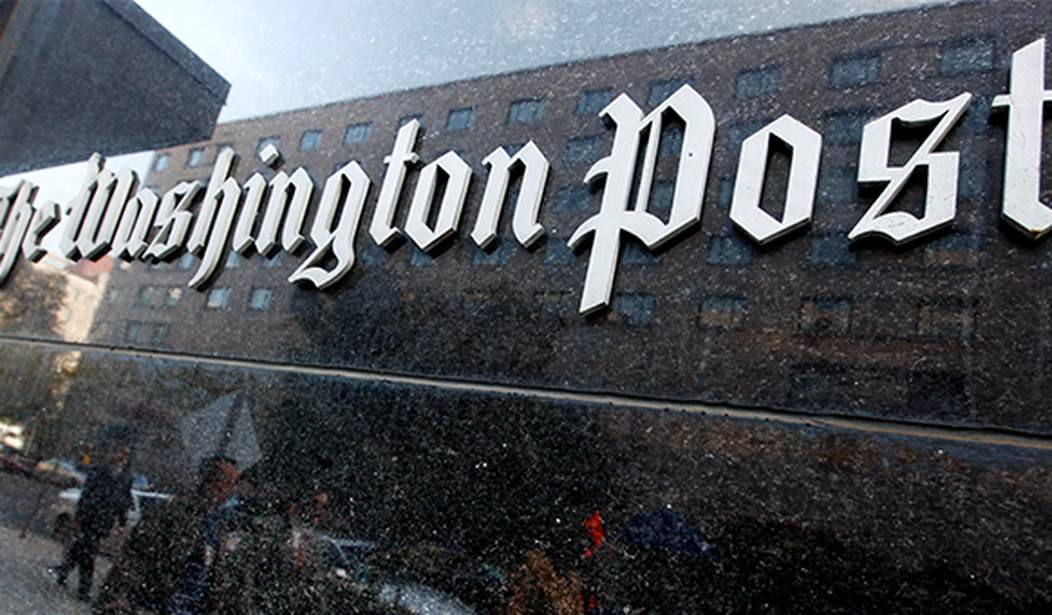
Labor-related work stoppages are a test for just how valued union workers are or not. The fact is, newspaper readers may miss some of their favorite content creators, but life goes on with or without them. So, when the Washington Post, this week, laid off 300 reporters and other editorial staff, that gigantic sucking sound you heard was a yawn from Post readers and the rest of the world. My colleague David Manney has all the details.
What do you think the leftist reporters and editors at the Post did in response? Well, more than a few decided to make cringe videos like this.
I am part of the mass layoffs at the Washington Post.
— Sam Fortier (@Sam4TR) February 4, 2026
I am sad and angry. We all want to keep doing the work.
But for now I want to document a reality of being in journalism today. pic.twitter.com/Xzrq6HhiP7
Nothing like watching a laid-off sports reporter take video of himself having feelings. Still others did the most leftist of things. They protested.
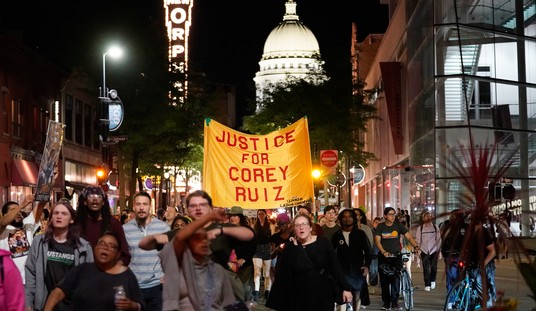
NEW: Fired Washington Post journalists think a protest will help them recover their jobs.
— Jonathan Choe (@choeshow) February 5, 2026
That's not how a business works.
Therein lies the problem.pic.twitter.com/5Y3dcS3861
In my work and in my city and in my family, I’ve had a lot of experience with union things. I come from a working class union family. My dad was active in the police union. Our family vacations when I was a kid were trips to national union conventions. Growing up in Pittsburgh, unionism is in the region’s DNA. Six degrees of nothing. Your own brother was probably in a union. Your next door neighbor and across the street – all union made. Through college, I worked a blue-collar job to pay for it.
As a result of my lifetime immersion in labor culture, when I eventually landed in crisis communications, one of my specialties was handling organized labor and workplace communication matters – from organizing defense to labor strikes. When I worked for a national firm, I would handle multiple labor crises in different cities at the same time because the firm didn’t have people in the other offices who understood unions and union people. I did.
And so, when I see the now former Washington Post reporters stage a protest outside of the building that just booted them, it feels even more pathetic to me, because I’ve seen this movie many times before.
I remember one time, a local steel company told its workers that it could not meet their demands. It was going to have to shutter the plant and move the equipment to a state where it could afford to operate. The union said the company was bluffing, so they maintained a picket line in front of the idled plant’s gate 24/7 for two years.
The company, sadly, kept its word. Day after day, big trucks would enter empty, and then leave the plant later with huge payloads of steelmaking equipment that was destined for another state.
One of my neighbors, who was two years from retirement, worked in that plant. He would tell me that the union wasn’t going to budge, that the company was bluffing. When I pointed out that the company was disassembling some of its production lines and moving the equipment out of state, my neighbor told me the company was shrewd, and that was their way of negotiating.
Sometime later, I ran into my neighbor, and he looked like someone close to him died. He was in shock, and it lasted for days. “They closed the plant,” he told me almost two years after the company stopped negotiating and told the union it had to close the plant. It only dawned on him after the fact that the plant closure was real.
He lost his retirement, and his retirement health benefits, all of which he and many others like him would have gotten had they bargained in good faith to keep their jobs. Weeks later, he was a greeter at Walmart. He was never the same after that.
While the laid-off Washington Post staffers and their surviving newsroom allies were not on strike, it all felt the same to me. Watching them protest so fruitlessly, they looked to me just like my former neighbor who never believed he actually lost his job until two years later.
The scene outside the Washington Post. #postlayoffs pic.twitter.com/6X2kMnwODZ
— Paul Wagner (@paulcwagner) February 5, 2026
What’s the point? The deed is done. Your organization costs too much as currently structured. It didn’t generate enough revenues to cover your salaries and operating costs, and to earn a profit. It can’t be that hard to understand basic economics. You underestimated your employer, never thinking it might make a business decision someday. You overestimated yourself and your value, never thinking that that business decision could impact you.
What newspaper reporters in general don’t understand that their jobs are no longer essential jobs in society. They are a luxury. As such, they are expenses that can be cut.
The world will go on spinning if the Washington Post doesn’t have a sports page, or a books department. It won’t even notice if the Post got rid of bloated staff in some of their overseas bureaus. The shrinking numbers of people who actually read the paper in print and online won’t care.
When I see these union reporters protest, I keep seeing my former neighbor spend two years in denial until that fateful day when it all hit him like a train. He honestly believed the tried-and-true union tactic of walking the picket line would somehow change his plant’s fate and his own.
Do those laid-off reporters in our nation’s capital really think their protests will accomplish anything? If they do, they’re more naïve than I thought.
But what else do they have? Protesting is all they’ve got. We’ve seen it over Palestine, over ICE, over raids on a cartel leader’s house in Venezuela, in defense of drug runners and criminals, for men who think they’re women, and for climate change, of course. No matter the problem, the solution is the same. Get some billionaire to print up signs, pay some protesters, bus them in to join you, feed them, and get them to make some noise. And then go home, accomplishing nothing.
Until that one day that will inevitably come. Not only will those former reporters realize their Post jobs aren’t coming back, but just maybe, they will have to confront the knowledge that they were never as big a deal as they thought they were.