





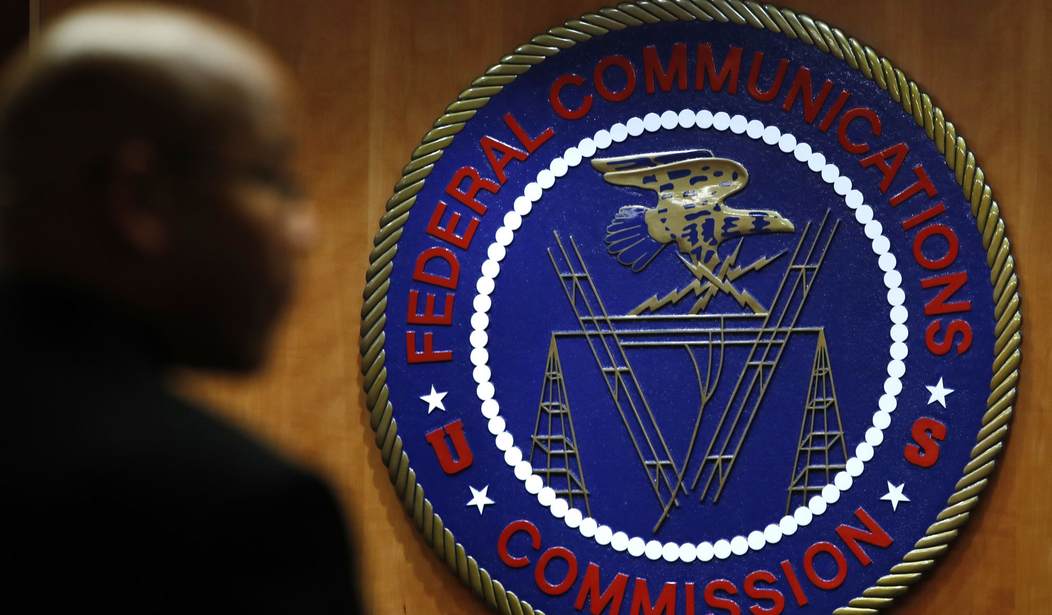
Is a mobile phone essential to live in America? The government supplied landline service to poor customers beginning in the 1980s. During Barack Obama's presidency, the program was expanded to include mobile phone and internet service.
It's called the Federal Communications Commission (FCC) Lifeline program, a federal assistance initiative designed to lower the cost of phone and internet services for qualifying low-income consumers. Consumers qualify if their household income is at or below 135% of the Federal Poverty Guidelines or if they participate in assistance programs such as SNAP, Medicaid, SSI, Federal Public Housing Assistance, or Veterans Pension Benefits.
The program is overseen by the FCC and administered by the Universal Service Administrative Company (USAC), which runs the centralized National Verifier system to combat enrollment fraud and handle annual eligibility recertification.
The USAC could be doing a better job.
This was brought home by an FCC enforcement action against IM Telecom, one of the nation’s largest recipients of federal Lifeline subsidies. In the last two years, IM Telecom has received a quarter of a billion dollars in federal subsidies. It is now being charged with numerous rules violations, including being accused of "failing to obtain affirmative consent from subscribers before enrolling or transferring them, changing corporate control without obtaining required federal approvals, and using bots to evade limits previously imposed on the provider’s suspicious application, enrollment, and customer transfer activity," according to the New York Sun.
The program has evolved to cover mobile phones and internet service. The program earned the nickname “Obama phones” during President Obama’s administration after a viral video featured a woman telling people to reelect Mr. Obama because she said he gave her and her friends free phones
About eight million people are enrolled in the Lifeline program. It is funded by a charge that telecommunications providers pass along to subscribers. Americans contribute more than $8 billion a year into the fund.
The FCC, in February, initiated a crackdown on fraud in the Lifeline program, including investigations into possible violations of program rules.
The Justice Department, in May, released an opinion that noncitizens are typically ineligible to enroll in the Lifeline program unless they have been in America for at least five years with qualified status. The FCC was ordered to impose safeguards to verify eligibility for Lifeline benefits beyond simply collecting subscribers’ Social Security numbers before enrolling them into the program.
It's not just small and mid-size businesses that take advantage of the taxpayers in the Lifeline program. In 2020, before merging with T-Mobile, Sprint claimed federal monthly subsidies for roughly 885,000 inactive Lifeline accounts.
A couple of thousand inactive accounts accidentally still being subsidized by you and me, I can see. But 885,000?
Lifeline rules require providers to de-enroll users who have not used their service in 30 days ("non-usage rule") to prevent billing for phantom lines. Sprint continued collecting monthly government payouts for hundreds of thousands of dormant lines.
T-Mobile paid a $200 million civil penalty — the largest fixed settlement in FCC history. Someone should have gone to prison.
In 2022, TracFone signed up more than 175,000 ineligible subscribers using exploited software glitches. Independent sales agents (paid on commission) discovered a software bug that allowed ineligible applicants to pass verification. In Florida, agents created fake subscriber profiles (e.g., enrolling multiple fictitious accounts using identical names and birth dates) to boost commission checks.
After a whistleblower lawsuit, TracFone repaid over $10.9 million and paid an additional civil settlement. The FCC subsequently banned commission-based pay per enrollment for sales agents to curb aggressive tactics.
In 2025, the FCC discovered widespread enrollment of deceased individuals and duplicate beneficiaries in state-managed "opt-out" verification systems (notably California). This is a common way to defraud the taxpayer, setting up "ghost" accounts and then pocketing the money.
States that opted out of using the federal National Verifier database had, not surprisingly, lax oversight, allowing providers to receive subsidies for deceased Americans or give multiple devices to the same household.
The FCC revoked California's opt-out status, forced all states onto the central federal verifier system, and launched formal law enforcement investigations into multiple non-compliant regional providers.
Until executives, salespeople, and anyone and everyone associated with the fraudulent actions go to prison, the fraud will continue, and the fraudsters will keep thumbing their nose at the American taxpayer.
Exclusively for our VIPs: The Marines May Have Found the Answer to Fighting a Drone War
Editor’s Note: Every single day, here at PJ Media, we will stand up and FIGHT, FIGHT, FIGHT against the radical Left and deliver the conservative reporting our readers deserve.
Help us continue to tell the truth about the Trump administration and its successes. Join PJ Media VIP and use promo code FIGHT to receive 60% off your membership.


Join the Conversation
VIP members get the ability to comment on articles.