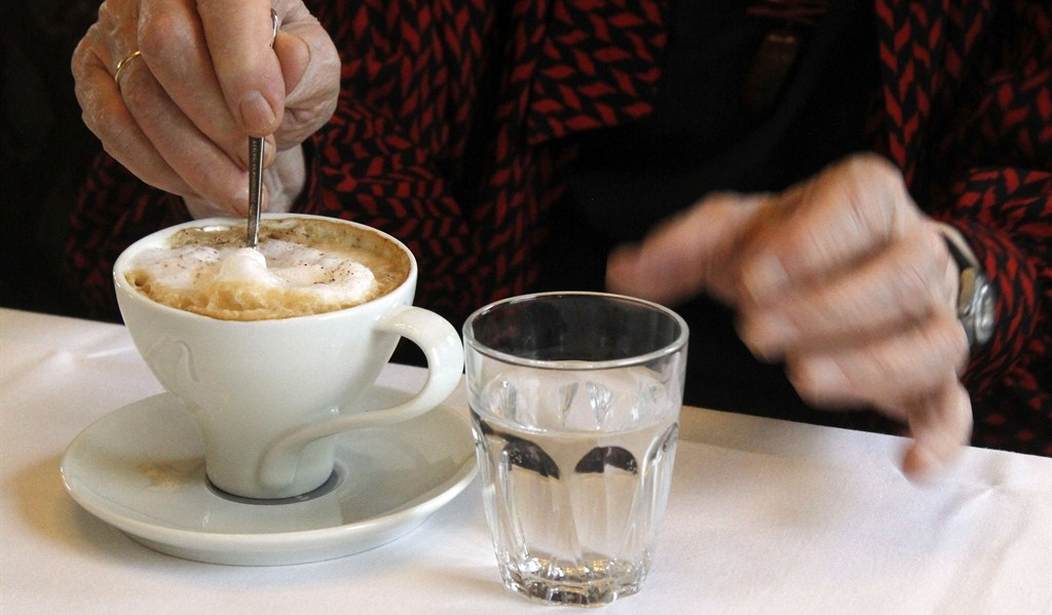
The American Psychiatric Association generally classifies caffeine use as a dependence rather than a classical addiction. It claims that coffee doesn't disrupt life, cause out-of-control social harm, or trigger the intense dopamine surge in the brain's reward center that substances like alcohol, nicotine, or opioids do.
They obviously have never seen me before I get my first cup of java in the morning.
When you get to be my age (72), you are forced to make choices that can determine whether you live or not. For most of my adult life, caffeine was a no-go zone due to its presumed strain on the heart and elevated blood pressure.
As if I or any other adult coffee addict cared. I made a decision 15 years ago, when my doctor first advised me to drink no more than two cups a day, that coffee was a "quality of life issue" and not a health issue. I have been a lot happier ever since.
Now comes confirmation from the scolds at the American Heart Association that we've had coffee all wrong for all these years.
"Although the relationship between caffeine and cardiovascular health is complex, the latest research indicates consuming up to 5 cups of caffeinated coffee per day (up to 400 mg of caffeine/day) is safe for most adults and may be linked to cardiovascular health benefits in some individuals," according to a new American Heart Association scientific statement.
The American Heart Association is not known for its "let it all hang out" attitude. Five cups a day? That means that, theoretically, I would only have to cut my daily intake by two-thirds!
I'll take it under advisement.
After 55 years of drinking a pot of coffee a day, the caffeine is immaterial to the maintenance of the ritual. That's what gets me going in the morning; the rote movements and habits that remind me that I made it through another night without being dead. And coffee cements those feelings by gradually waking my brain and preparing it for whatever life holds.
“Caffeine consumed in coffee is a key part of daily life for millions of people, and in our review of the most recent research, for most adults, intake of up to 400 mg of caffeine/day, the equivalent of up to 5 cups of caffeinated coffee per day without added sugars or fillers, is safe and does not increase cardiovascular risk,” said Chair of the scientific statement volunteer writing group Gregory M. Marcus, M.D., M.A.S.
“However, high doses of caffeine, such as those found in energy drinks including energy shots, may have harmful effects on the heart and should be avoided.”
The statement authors note that studying the effects of caffeine on the cardiovascular system is challenging. Coffee is the main source of caffeine in most research studies, and the observed cardiovascular effects may be due to other compounds in coffee. For example, experimental studies suggest that the bioactive compounds in coffee may have antioxidant and anti-inflammatory properties, which may help explain some health benefits. It’s also difficult to separate the effects of caffeine from other ingredients usually added to coffee, such as milk, cream, flavored syrups and/or sugar. In addition, most studies on caffeine are observational, meaning they cannot prove cause and effect.
Although coffee is the main source of caffeine for most adults, tea, chocolate, soda and energy drinks, as well as over-the-counter and prescription medications, also contribute to overall caffeine intake. More research is needed about other products with caffeine in order to understand caffeine content and caffeine’s impact on cardiovascular health.
The history of coffee is weird. The reason for this is that homo sapiens have probably known of every edible plant, root, grass, and tuber on planet Earth for more than 100,000 years. The planting and harvesting of crops (agriculture) has been around for at least 10,000 years. And yet, the coffee bush escaped cultivation until around 1100 AD. Why this is so is a mystery. Poppies have been cultivated for at least 5,000 years. Marijuana even longer. It is amazing that the little bush, thought to have originated on the hillsides of Ethiopia, was not generally recognized for either its medicinal properties or the salutary effects the berries had on our constitutions.
With 400 billion cups drunk annually, coffee’s importance economically, culturally, and socially cannot be denied. Indeed, if oil greases the wheels of industrialized civilization, then coffee surely lubricates its living, breathing, moving parts.
I'm glad the American Heart Association has altered its health advice on coffee. Now, about that finger wagging against red meat…
Also for our VIPs: How Much Are You Using Your Sixth Sense? It May Be Key to Your Mental Health.