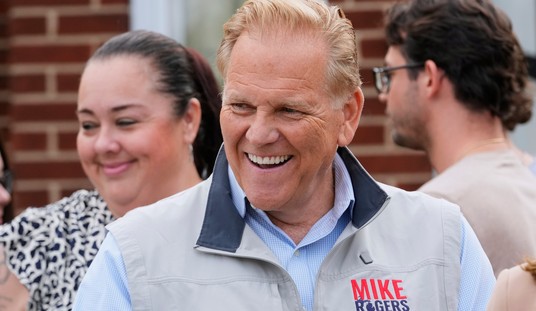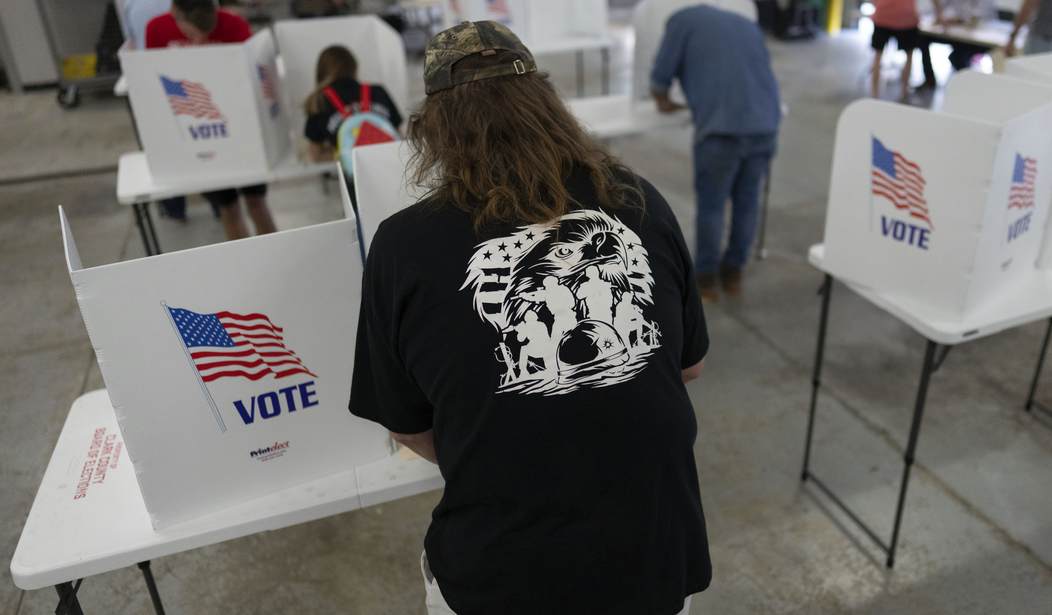
In 2022, the GOP flipped 19 seats to take over the House of Representatives. Approximately 24.4 million voters cast ballots for Republican candidates across the various state primaries.
Republican primary turnout significantly exceeded Democratic primary participation, which drew roughly 21.3 million voters. A GOP "wave" was predicted (most predictions had Republicans winning 30 or more seats) but it never materialized, largely due to several states holding referendums on abortion rights, which brought millions of additional Democratic voters to the polls.
In 2022, the GOP had the wind at its back. Things are different in 2026.
Redistricting wars have given Republicans an edge in 10-12 blue districts, and the economy is growing, but inflation remains stubbornly high. There is dissatisfaction in the electorate, with many voters telling pollsters they feel that Donald Trump and Republicans have let them down.
Driven largely by economic anxiety, dissatisfaction with his handling of the Iran conflict, and high gas prices, a significant majority of Americans are frustrated with the country's current direction.
"Only 12% say they are getting ahead financially, most think the economy is in bad shape, more than half think President Donald Trump’s policies benefit people who have money, and their outlook on the economy is negative," according to a recent Fox News poll.
Now for the bad news.
Americans are voting in Democratic primaries and special elections at significantly higher rates compared to previous election cycles. This suggests a massive "enthusiasm gap" favoring Democrats, fueled by voter discontent with a Republican-controlled Washington under President Donald Trump’s second term.
"Turnout is rising in Democratic primaries even when they aren’t hotly contested, and the nominee has little chance of winning in the general election, according to a Washington Post review of 990 races, over three cycles, in 25 states."
In more than 90 percent of Democratic House primaries held this year, voters cast more ballots than during 2022, when Republicans flipped the House.
So far this year, people cast 12.6 million ballots in Democratic House primaries compared with 8.6 million in GOP primaries.
Democrats have also been making big gains in special elections since President Donald Trump began his second term.
Election experts caution that trends in primary and special elections trends do not always predict results in general elections.
Still, the increased votes, combined with polls showing voter discontent with a GOP-controlled Washington, have fueled Democratic hopes that they can retake control of Congress.
Yes, but what about those redistricting coups Republicans pulled off? The reality is, in a wave election, those marginal gains for Republicans in individual districts will be washed away. Some of those districts will almost certainly remain Democratic.
“Something would really fundamentally have to change in a way that would favor the Republicans to change the dynamics that we’re seeing right now,” said Michael McDonald, a voter turnout researcher and political science professor at the University of Florida.
Also for our VIPs: Democratic Socialists Are Having a 'Moment.' How Long Can It Last?
The one bright spot for Republicans is their massive financial edge. "Republicans have stockpiled well over $100 million more than Democrats in their party committees heading into the midterms, building a cash advantage in an otherwise tough election year," reports the Post. Money may not be quite as important as it once was, but that kind of huge advantage means candidates won't be wanting for much of anything.
I've railed in the past against looking for anything significant in special elections. Too few people bother to vote to read much of anything into them. About the only metric that means anything in a special election is partisan turnout.
In the January Texas deep-blue 18th district special election to replace Rep. Sylvester Turner, who died in March 2025, the partisan split went from D+39 to D+68. In Virginia's 11th, it went from D+34 to D+50.
Republicans saw exactly the opposite partisan breakdown. In Tennessee 7, made vacant when Rep. Mark Green resigned to take a private-sector job, a district that was R+21 fell to R+9. The race in Florida 6 to replace Mike Walz, who was named National Security Advisor, saw the partisan split go from R+33 to R+14.
Still Republican, although less so. Same for Democrats, except much more so. It's hard to be optimistic with those numbers.
Georgia state Rep. Eric Gisler (D) flipped a deep-red state House seat in the Athens area during a December special election in December, winning a district Trump had carried by 12 percentage points one year earlier.
“Democrats are fired up in general. I think Republicans are a little more subdued,” Gisler said in an interview.
Angry and "fired-up" people vote. "Subdued" people do not. Republicans are going to need a stellar get-out-the-vote operation to avoid a disaster in November.