


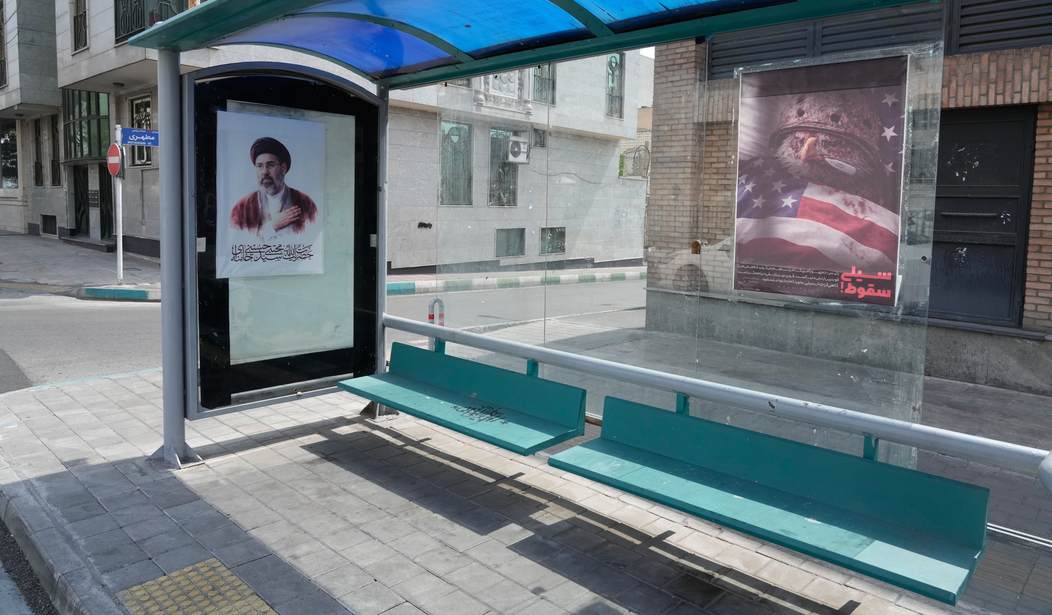
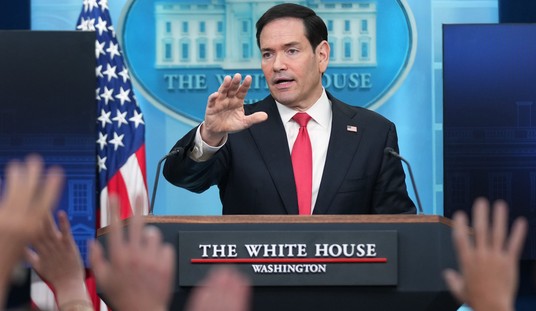
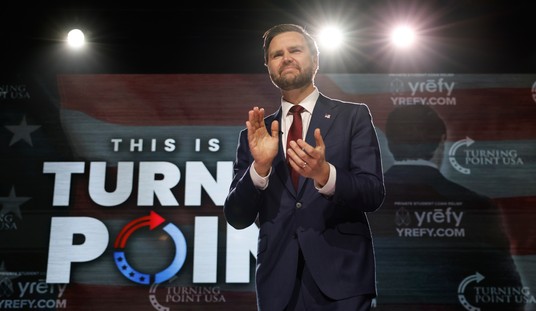
President Donald Trump announced that there is a two-week ceasefire while final negotiations are being conducted between Iran and the U.S. He claimed it is a "great day for world peace" and that "Iran can begin rehabilitation." He added, "We have a 15-point deal, we've agreed on most of them. We'll see what happens and how it matures." The negotiation has been and will continue to be led by Pakistani Prime Minister Shehbaz Sharif and Vice President JD Vance.
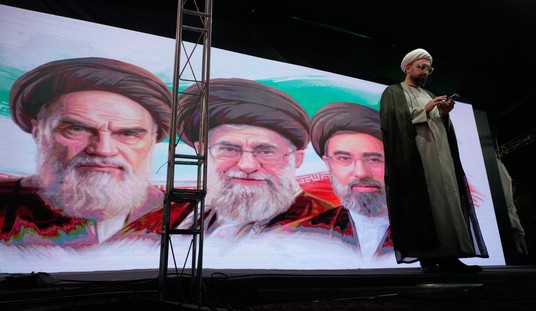
Iran has reported that its 10-point proposal includes control of the Strait of Hormuz, cessation of attacks on Tehran's proxies, prohibition of attacks from bases, limited daily passage of ships subject to monitoring, compensation for damages caused to Iran through the establishment of an investment fund, Iran's commitment not to produce nuclear weapons but U.S. agreement that Iran has the right to enrich uranium and American withdrawal from all its bases in the region.
I'm going to try to stay hopeful, but at first glance, this ceasefire seems problematic. Some of the challenges include:
- We are trusting a regime that has repeatedly demonstrated that it cannot be trusted, and that will be able to enrich uranium, but not for nuclear weapons (I keep having the mental image of Iranian leadership saying they won't develop nuclear weapons while winking and nudging each other).
- This two-week ceasefire gives Iran the opportunity to move missiles and launchers from where they are currently located.
- Iran will continue to control the Strait of Hormuz.
- The U.S. would withdraw from its bases in the Gulf States, leaving Israel in a much weaker defensive position.
- The idea of stopping attacks on Iranian proxies gives carte blanche to Hezbollah, the Houthis, and most disturbingly, Hamas. But Israel has made it clear that it is not willing to have a ceasefire with Hezbollah in Lebanon until the mission there is finished.
- The Islamic regime of the IRGC and Ayatollah is staying in power.
I have spoken with people in Israel, all of whom I spoke with are shocked and confused by this deal. Many people suspected something like this the moment it became clear that the negotiators were Pakistan (a Muslim nation and enemy of Israel) and Vance, who employs Tucker Carlson's son as deputy press secretary... and Carlson is one of the most influential antisemites in the world. But still, most of Israel is deeply concerned, and it seems at first glance as if defeat was snatched from the jaws of victory. Israeli pundits are also pointing out that this deal could mean that Iran can re-arm (including nuclear weapon development) and will want revenge on Israel, God forbid.
But we are a long way from things being settled, and from seeing what will ultimately happen. We don't really know what the deal will be; we don't know if the ceasefire will hold; and we don't know how things will play out with Iranian proxies. There is also still the issue of the Strait of Hormuz and who will ultimately control it. Although Iran has said that it has agreed that it will, this has been a consistent talking point for Trump, so again, we will see.
Whatever our views on this deal, at least part of our response must be to increase our faith in the Holy One, blessed be He. God has always kept His covenant, and rather than forsaking hope, we need to remember the quote from the Talmud: "All things are in the hands of Heaven, except being in awe of Heaven." We are unable to know the deeper plans behind any sort of ceasefire, and we certainly don't know what will come out of Tuesday's news.
But we do know that faith is a personal choice, and that history has shown us that faith is not blind; rather, an honest and deep faith sees the truth clearly.
May we all deepen our faith, have clarity about this ceasefire, and see a time of real and lasting peace for Israel and the world.
Chazak u'Baruch
Rabbi Michael Barclay
April 8, 2026
21st of Nisan, 5786
6th day of the Omer



Join the conversation as a VIP Member