
My wife has an army of bots at her command, and on Sunday, I caught her issuing them their marching orders. Don't worry — Melissa has no plans to conquer the world, or at least not yet.
Or not that I know of, anyway.
We'll get to that in a moment, but what got me thinking (again) about AI in recent days is the story of the Florida woman* whose digital "diary" entry landed her in jail recently.
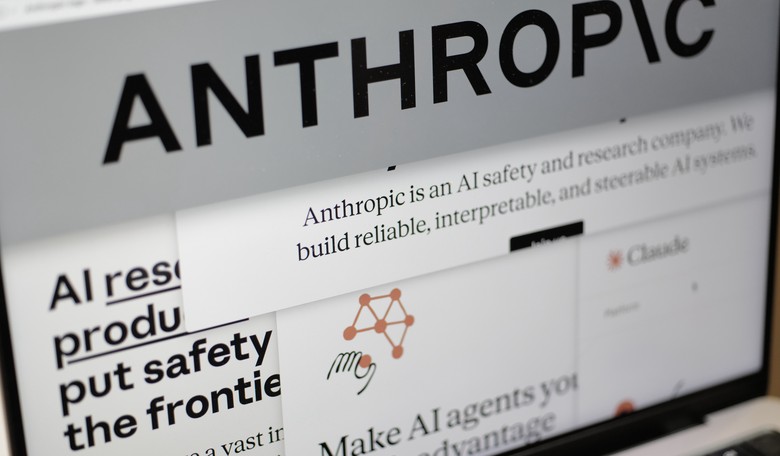
Carli Michelle Heller — innocent until proven guilty, I think still applies here — used Anthropic's Claude AI as a personal diary, apparently thinking that somebody else's servers were as private as a locked journal. Gadget Review reported that "her words included a stated intention to 'shoot up' the Lee County Sheriff’s Office."
That was enough to trigger Claude’s safety systems, which flagged the chat. "A human reviewer assessed the threat as credible," GR continued, "and law enforcement showed up at her door."
All without a warrant.
*Of course it was Florida Woman.
Needless to say, I have some seriously mixed feelings about all that, even after reading that Heller's "subsequent message allegedly referenced obtaining a new gun."
But as Florida Woman learned, AI chats aren't end-to-end encrypted in the same way your more reputable messaging apps are. I mean, you aren't using somebody else's data center to move a secure message from your phone to your recipient's — you're using somebody else's server to directly answer your questions about life, the universe, and converting an AR-15 to fully automatic.
Sure, AIs have guardrails built in to prevent users from, say, getting detailed instructions on how to weaponize a common flu virus, but those guardrails do (and should) include notifying the proper authorities when somebody queries, "How do I build a portable nuclear device in my garage?"
Still... no warrant? That part of Heller's story leaves me a bit uneasy.
Now then, back to my wife's bot army. I promise there's a broader point to sharing these seemingly unrelated stories, so hang on tight for another couple of minutes.
All the time I get asked, "What is AI good for?" And I'll admit that at least at first, it was more of a novelty than anything else. But then came the bots.
I was walking through the bedroom where Melissa was tidying and having a casual conversation with her iPhone. I assumed she was recording a Marco Polo video with her best friend in North Carolina, so I said, "Say hi to Julie for me!" Marco Polo is like messaging but with video. You record and send at your leisure, and the recipients view and reply at theirs. It helped keep everyone here at Villa Verde sane during the stupid, destructive, and illegal COVID lockdowns. But I digress.
Melissa set the phone aside and said, "I'm talking to my Chief of Staff."
Her COS is a Grok Bot that not only does what she says, but, like a military chain of command, issues orders to lower-ranking Grok Bots under its command.
On Sunday, Melissa told her COS to check the weather every three days, compare the "mood" (yes, really) to the next three dinners in her recipe app, Paprika, reschedule any meals unsuited to the weather, and send her an email notification about any changes.
Snow coming in a day earlier than planned? Grok will let Melissa know to take the stew meat out on Wednesday instead of Thursday. Now there's rain in tonight's forecast? Tell Steve he won't be grilling that ribeye after all.
That was so cool that as soon as I started writing this column, I texted her what else her bot army does. I wasn't prepared for her reply:
I have nine staff bots reporting to a chief of staff. One manages the kitchen and groceries, learns what we keep in the pantry and freezers, and compares my monthly Subscribe & Save prices with Walmart before each order goes through.
An executive-assistant bot checks my personal email every morning, adds filing rules, alerts me when a spam sender changes its address, and updates the relevant rule.
My webmaster bot updates my author website [Melissa writes novels now, too]. My metadata and production bot checks details such as ISBNs, while my marketing and production bot works in Kit to draft and format newsletters and monitor open and click-through rates.
That's just what Melissa set up in the first couple of weeks, based on some natural-language conversations she had while making the bed or petting the puppy on the sofa. She tells me her bot army saves her about 10 hours a week, which is like being gifted an extra 20 days each year.
Most people have no comprehension of the coming productivity gains.
Oddly enough, Melissa and Florida Woman share a common problem: reliance on somebody else's servers. Heller got herself arrested, and worse (to me, anyway), an untimely xAI outage could throw my whole household into chaos, delay the publication of Melissa's next novel, etc.
Why not run Melissa's bot army locally?
Grok, Claude, and ChatGPT are all proprietary and massive. But the tiny Mac Studio sitting on my desk right now can comfortably run smaller, open-weight LLMs like Llama, Qwen, or DeepSeek. Nobody would mistake them for one of the big names I just mentioned, but they could handle our home bot army needs.
And for good or ill, those home-based models won't tattle to the police, either.
Maybe Melissa will conquer the world, after all.
Recommended: Ukraine Knocked Out Russia's Biggest Data Centers, and the Internet Got 17% Better