
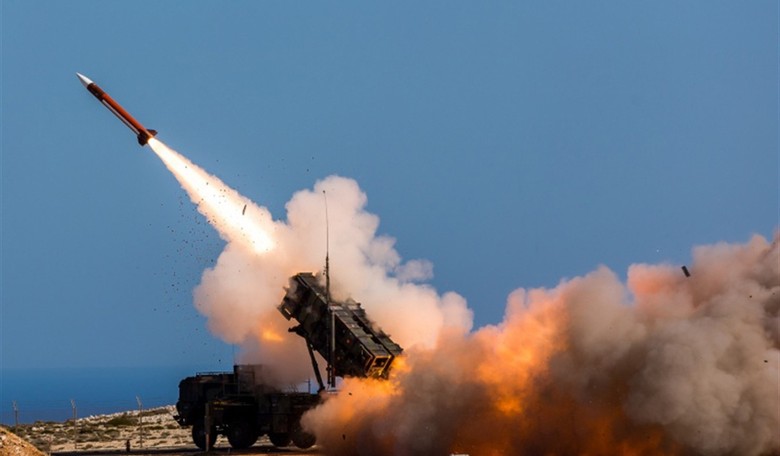
Twenty-eight billion dollars buys a tremendous amount of ammunition. It also raises a fairly important question when much of what was fired can't quickly be replaced.
A new U.S. Central Command estimate puts the cost of the Iran war at roughly $43.6 billion through September 3. About $28.1 billion of that total reflects munitions expended during the conflict, an increase of more than $6 billion in weapons costs in barely a month.
From the Associated Press:
The financial cost is just one measure of the impact of the Iran war, which also is affecting oil prices and the stock market and has led to deaths and injuries of American troops. The political costs will be calculated in November’s midterm congressional elections, with Republicans facing increasing headwinds from the war’s unpopularity.
The latest cost estimate has emerged as the Trump administration pushes for a historic $1.5 trillion military budget proposal. The White House also is asking Congress to approve a $95 billion package that would help fund the Iran war and other priorities.
The Congressional Budget Office looked at the same war from another direction. Its Sept. 15 assessment estimated roughly $38 billion in Defense Department costs through Aug. 1, including replacement weapons, lost equipment, increased flying hours, operations, and fuel.
The dollars weren't the CBO's biggest warning.
The CBO identified America's heavy expenditure of missile-defense interceptors as the conflict's main military opportunity cost. The agency says U.S. interceptor inventories will remain reduced for several years because replacements can't simply be produced overnight.
Then, the CBO brought up China.
A reduced interceptor stockpile would become especially troublesome during a conflict with an enemy possessing large inventories of ballistic and cruise missiles. The CBO specifically identified China and noted those weapons would probably play a major role in military conflict involving Taiwan.
Nobody should pretend those interceptors were wasted. Iran possessed a large ballistic missile and drone force, attacked U.S. positions across the region, and forced American forces to defend troops, bases, and allies. The administration said Operation Epic Fury was intended in part to destroy Iran's missile capability and prevent those weapons from threatening Americans.
Military success still carries an inventory cost.
Patriot and THAAD interceptors are among the weapons that have been in heavy demand. CENTCOM's latest estimate shows munitions replacement consuming well over half the war's total cost so far, while CBO says rebuilding key defensive stocks will take years.
From the Associated Press:
Meanwhile, Democratic senators are demanding that Hegseth provide a full accounting of the costs of the Iran war. In a letter to the Pentagon chief, the lawmakers criticized the Defense Department for withholding basic budget information from Congress and the American public even as U.S. casualties and taxpayer costs increase.
The U.S. military’s one-page breakdown to Congress this week includes costs for operating warships, planes and bases as well as for equipment losses and medical support for troops. Casualties tallied by the Pentagon have included 18 dead and more than 830 wounded, according to the Defense Casualty Analysis System.
China doesn't need to share Iran's strategy for this to become relevant. Beijing maintains large ballistic and cruise missile inventories, and any Taiwan contingency would create enormous demand for precisely the kinds of defensive systems America has been using in the Middle East.
CBO isn't saying America has run out of interceptors. It isn't declaring the United States incapable of fighting China, either. Its warning is narrower and more useful: the Iran war has reduced inventories, rebuilding them takes years, and another missile-heavy conflict during that period would put additional pressure on U.S. forces.
Congress, therefore, has a question that deserves more attention than the war's final price tag.
How quickly can the defense industry replace what was fired?
Washington can appropriate another $28 billion. Congress can authorize another defense package. A Patriot interceptor sitting on a production line, however, can't be delivered merely because somebody added another zero to an appropriations bill.
Iran tested America's military.
The aftermath may test America's factories.
And if the next major crisis develops in the Taiwan Strait before those magazines are replenished, Beijing will already know what the CBO just told Congress.
America used a lot of missiles.
Now the clock is running on replacing them.