
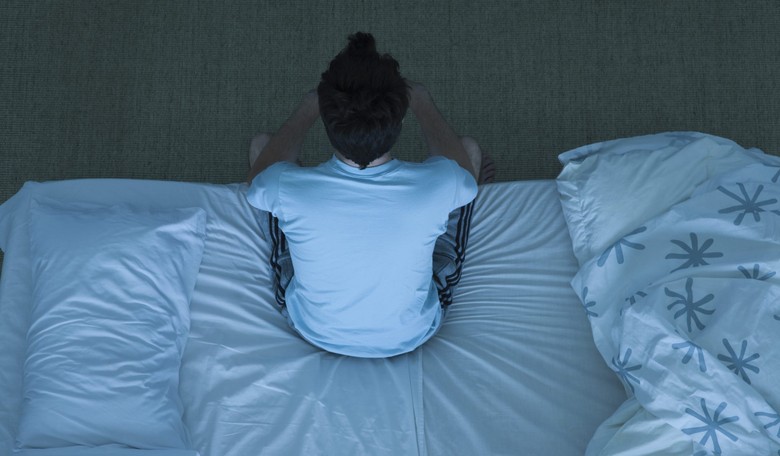
Feeling refreshed after a good night’s sleep should not be a luxury, but for some it is. Tackling a day’s worth of work, chores, family obligations, and hobbies can feel unbearably difficult after not sleeping well the prior evening. And if that poor sleep extends beyond just one night — into full-blown insomnia — life can feel downright impossible.
Insomnia is characterized by the “inability to fall asleep or stay asleep at night, resulting in unrefreshing or non-restorative sleep” and it is defined by “the quality of your sleep and how you feel after sleeping—not the number of hours you sleep or how quickly you doze off,” according to HelpGuide.org. Some people experience insomnia for a day or two, while others struggle with it for an entire lifetime.
Here we will look at the various causes of insomnia, how it affects our health, and what we can do about it.
Causes
Since insomnia is such a personal experience, these causes can result in insomnia in some people — and may have absolutely no effect on the quality of sleep in others:
- Medical conditions such heart disease, rheumatoid arthritis, brain lesions, or previous brain injury
- Pregnancy, menstruation, and menopause
- Exercise (working out too close to bedtime can keep you awake)
- Caffeine
- Restless leg syndrome
- Stress, fear, anxiety, depression
- Pain
- Use of drugs or alcohol
- Too much exposure to blue light (a.k.a. screen time) prior to bedtime
Effects on Health
Aside from feeling dreary and exhausted, prolonged insomnia can have very real effects on our health:
- Unsurprisingly, accidents occur far more frequently when one is sleep-deprived
- Insomnia can also wreak havoc on the cardiovascular system, resulting in conditions including stroke, heart disease, heart attack, high blood pressure, and even diabetes.
- Depression is also a common side effect of poor sleep
- Dull skin is probably one of the first things you’ll notice after not sleeping well
- Lack of a sex drive can be an unfortunate side effect of insomnia
- Not sleeping tends to result in an increase in hunger. As a result, we eat more (even when our bodies don’t really need it), and obesity can result.
Tangible Solutions
One of the simplest, and simultaneously most difficult, things to implement is a change in routine. When our everyday lives function in a certain way, it can be hard to cut out different habits that are comfortable or that we rely on to get through the day. But those very things that seem to make life easier or better might be the very reasons for unbearable insomnia.
- Cut back on screen time — at least for the two hours prior to bedtime. This can be challenging, considering our culture’s growing addiction to our mobile devices, but exposure to blue light can have a very real effect on our body’s ability to fall asleep. Instead, try reading or have a warm herbal tea before turning in.
- Try to adhere to a routine at bedtime. Life can complicate this sometimes, but for the most part, you should aim to get ready for bed at the same time every evening. After a few days or a week, your body will ideally start to crave rest when it’s time for bed.
- Make sure your bedroom invites sleep. If you have a television, make sure it’s never on when you’re getting ready to sleep. Keep your room dark, and consider adding white noise with a sound machine.
- Take five minutes of quiet time shortly before going to bed and focus on your breathing. This will lower your heart rate, help decrease anxiety, and clear your mind of the clutter that might keep you awake. You can even set an alarm if such an exercise seems tough.
- Cut the caffeine far earlier than you normally would. If you insist on a cup of coffee or tea in the afternoon, consider cutting it. It could still be affecting you several hours later.
- While that cocktail or glass of wine at night might seem like it’s relaxing you (and it might even help you fall asleep initially), alcohol can cause us to wake a couple of hours after dozing off. See if cutting back (or cutting it out completely) helps.
- Keep your exercises at the beginning of the day. When you exert a lot of energy early on, by the time the end of the day rolls around, your body might be more inclined to fall asleep easier.