
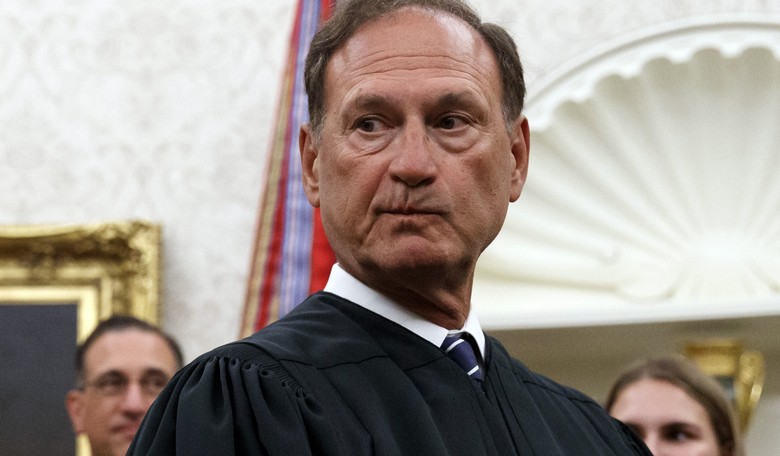
When Justice Samuel Alito said earlier this year that he wasn't retiring, I was both relieved and disappointed. I was relieved because he is one of the most reliably conservative, originalist justices on the Court, and it would be sad to see him go. I was disappointed because even though Republicans looked to be in a good position to hold the Senate at the time, it wasn’t a guarantee.
And now we know how that turned out.
Alito is 75 and the second-oldest justice on the bench. President George W. Bush appointed him in 2006. Justice Clarence Thomas, the oldest at seventy-seven, joined the Court in 1991 after President George H.W. Bush nominated him, and he has become one of its most influential conservative voices. Both men are likely to retire in the coming years.
With President Donald Trump in the White House and Republicans running the Senate, either man could have stepped down and let the president nominate a younger conservative to hold the seat for decades. As much as we love them, staying put risked repeating the Democrats' Ruth Bader Ginsburg blunder. Ginsburg clung to her seat through Barack Obama's presidency despite her age and poor health. She died weeks before the 2020 election, and Trump replaced her with Justice Amy Coney Barrett.
Now that risk is real. Too real.
The midterms are over, and Democrats will control the Senate in January. That makes the Supreme Court the biggest concern coming out of these elections.
It's indisputable that the Democrat Senate will play hardball with any vacancy. If Thomas or Alito's health fails or they retire, Democrats would likely refuse to consider any nominee they didn't approve of. More likely, they'd leave the seat empty until after 2028 and hope a Democrat wins the White House. That would shrink the conservative majority to a single vote, or even hand control to the Court's far-left wing, and the damage to constitutional originalism would last a generation.
ICYMI: You Really Need to Hear This From Rush Limbaugh Right Now
So what can conservatives do? Senate Majority Leader John Thune (R-S.D.) has already laid out a path. Republicans stand ready to confirm a Supreme Court justice during the lame-duck session if a seat opens, and that window could be the last chance to lock in the Court's conservative majority before Democrats take over.
Thune has been signaling this for months. In a June interview with Punchbowl News, he called judicial confirmations a core priority and addressed the possibility of a high-court opening. "We're prepared if it should happen," Thune said. He added that filling the seat would become "the top priority" for Senate Republicans.
Later in that same conversation, the subject turned to the stretch between Election Day and the new Congress. "It can be done," the Senate leader said. "You're talking about basically 60 days post-election in the lame duck… I certainly wouldn't rule that out."
Here's the thing: Pulling this off would be tricky.
No judicial filibuster stands in the way, but every Republican in the Senate would have to be on board before leadership even attempts it. And neither Alito nor Thomas has announced plans to step down. Whether the midterm results have changed their thinking remains to be seen.
The window is small, but it's real.
Conservatives spent decades building this Court one hard-fought confirmation at a time, and a lost Senate majority doesn't have to undo that work. Thomas and Alito have given the country a generation of fidelity to the Constitution. Handing their seats to the next generation of originalists, while the senators who can confirm them still hold the gavel, would be a fitting final act of service from two men who never stopped fighting for the Constitution.