


I have to admit, I have low expectations for the SAVE America Act making it through the Senate. I’d love to see it pass, but I don’t think it will. It sucks, but nothing that happened last week gives me any hope that the situation will change. However, there is reason to believe progress on election integrity will still happen. In fact, a ruling from the nation's highest court could deliver a significant win for election integrity without a single vote from Congress.
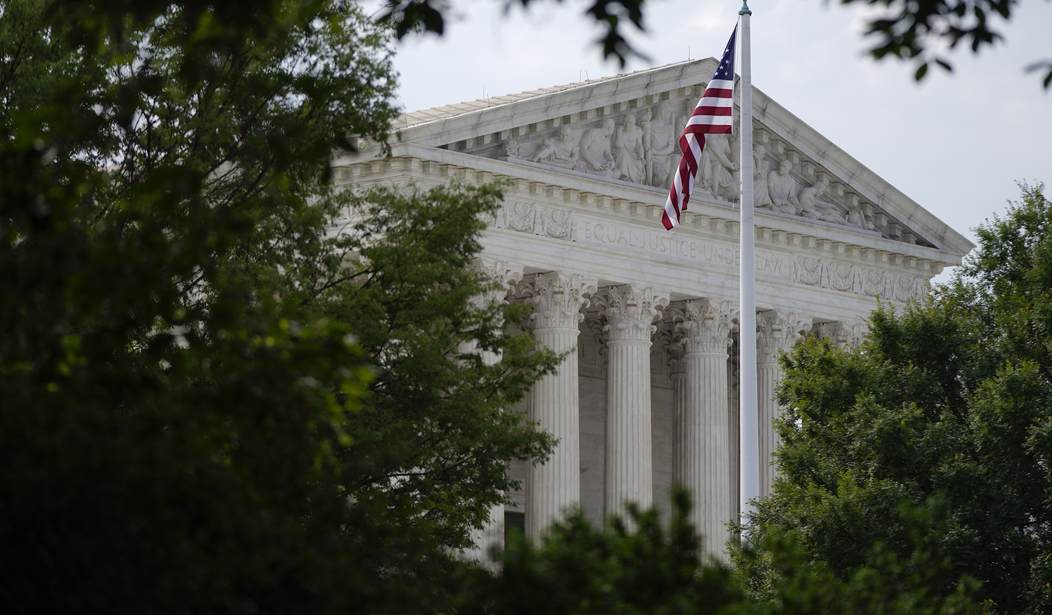
The Supreme Court is set to hear a major election integrity case this month that could reshape how mail-in ballots are handled across the country — and the outcome could matter far more than most people realize.
Watson v. Republican National Committee will kick off the Supreme Court's March argument session, and this is no small case. The stakes are enormous heading into the 2026 midterms. The case revolves around a Mississippi law, adopted in 2020 under the cover of COVID-19, that allows mail-in ballots postmarked by Election Day to be counted up to 5 business days after the election.
As you know, federal law mandates that the first Tuesday after the first Monday in November be Election Day for the president and Congress. The challengers argue Mississippi's post-Election Day receipt window flatly conflicts with that law. The 5th Circuit agreed, with a three-judge panel including Judges James Ho, Kyle Duncan, and Andrew Oldham ruling that federal law requires all ballots to be received by Election Day.
ICYMI: MSNOW Host Wants to Invoke the 25th Amendment on Trump for the DUMBEST Reason
The state argues that an "election" happens when voters cast their ballots — not when officials receive them. Receipt, Mississippi contends, is like counting: it doesn't affect when the election itself occurs. The state also warns that a ruling for the challengers would override 165 years of state practice and effectively force mostly in-person voting without secret ballots. "Congress did not impose the destabilizing revolution in election administration that the ruling below would require," Mississippi's brief states.
Both sides are playing the sympathetic voter card hard.
Mississippi is obviously drawing support from military and overseas voters, with an amicus brief warning that a ruling against Mississippi would harm 4 million service members and their families abroad, who face genuine logistical delays in obtaining and returning absentee ballots. The League of United Latin American Citizens echoed those concerns, noting that recent USPS service changes could push even more ballots past the deadline: "Without a post-Election Day receipt window, many of those ballots will predictably miss the deadline."
It’s not an argument I’m sympathetic to, but the problem is that we’ve seen Democrats push for ballots to be counted if postmarked after Election Day — or even without a postmark — and the worst part is that courts across the country have allowed it. Such rulings allow close elections to be decided based on ballots that may not have been cast before Election Day.
I’m hopeful that this case will be the start of reining in mail-in ballot abuse, with a 6-3 ruling at best, though more likely it’ll be 5-4. A decision is expected in June or July 2026. It won't be the SAVE America Act, but for conservatives who have watched dubious late-arriving ballots quietly flip close races, it would be a significant step in the right direction.