





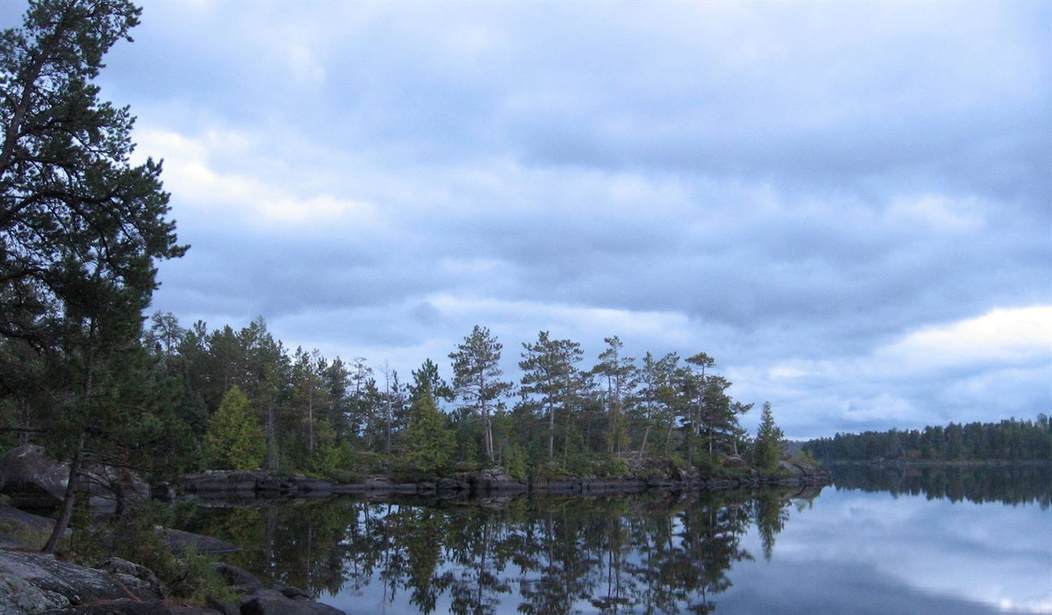
This morning at 4 am, something not unusual (for me) happened: I woke with an insight after falling asleep mid-chapter reading C.S. Lewis’s Space Trilogy. Ransom, his main character, was based on J.R.R. Tolkien, and I had been having a conversation with Professor Tolkien in my sleep.
What I wrote down was this: Triptych: Wealth. Power. Beauty.
These are the three things humans desire. Beauty is generally within our reach. Wealth and power must be worked for but are achievable in our great Western civilization. And these are precisely the things that socialist and Marxist movements, or indeed any ideology that seeks control over others, work to destroy. It’s not that they hate the good and the beautiful so much as that the desire to dominate is more powerful. In The Lord of the Rings, Sauron and Saruman knew that domination of others is easiest when people are hungry, diminished, and surrounded by the drab and the ugly.
Of the three, I am most fascinated by beauty.
Power and Wealth
Everyone knows about the first panel, wealth. As socialism creeps into a system, we see more and more confiscation of wealth: progressive taxation, expensive regulatory tangles, redistributionism, and equity. Promises of fairness harden into, as the hobbits in “The Scouring of the Shire” discovered, the powerful gathering far more than is ever shared back out. The ordinary man is “given” just enough to stay sated but hungry, kept dependent upon the government.
Power follows quickly. Bureaucracies centralize decision-making in government and industry. HR departments make cold decisions about employee relations. Grant bodies and cultural gatekeepers decide what projects are funded. The independent powers — families, churches, businesses, local private organizations, local communities — are crowded out or regulated into irrelevance. Eventually, only the central powers are granting permission for things that were once free.
Beauty is different. Beauty affirms the spirit and soothes the soul, affirms dignity and self-worth, and makes people hard to rule.
The Uglification of the Shire
Tolkien shows us exactly how it works. The ruffians and “gatherers and sharers” that took over the peaceful Shire don’t just loot; they uglify. They close the old inns, fell beloved trees, replace hobbit-holes with ugly, mean brick houses, pollute the water, and craft and post ugly rules and propaganda. But why bother making things hideous? Why is it important to destroy beauty?
Because beauty is quietly powerful. The ordinary hobbit could go outside in the evening and smoke his pipe, gazing out across the lovely green hills of the Shire. Daily, they saw that life could be ordered, delightful, and worth defending. Once beauty is ruined, there is less to care about, less to fight for. Compliance becomes normal — after all, the Party Tree has already been cut down and left to rot, so there's nothing to fight for. Quaint Bagshot Row is an open quarry. Gatherers take surplus and more, despoiling what they don’t take. The hobbits grumble, of course, but they are demoralized, hungry but not starving, and much easier to control because they just don’t care anymore.
We saw the same things in the old Soviet Union. Socialist realism, with its austere lines and solid colors, replaced real art with propaganda posters praising the USSR and the worker. Beautiful, graceful cathedrals and exotic Russian onion domes were replaced by brutalist concrete blocks. Fashion and music and gathering places, things of delight, were flattened into drabness, functional but not fun. Because the state could not redistribute beauty, and because beauty gives people joy and hope, beauty was pathologized, called bourgeois, and replaced with an antiseptic, dark aesthetic. The common man was given enough “culture” to be sated, but never enough to satisfy the hunger of his soul for beauty. Other, darker things filled that void.
Today’s Quiet Uglification
We’re watching a softer version play out in real time, especially in the cultural sphere. One of the most visible symptoms is the trend toward ugliness among segments of young liberal or feminist women in America and Europe, especially: deliberate androgyny, rejection of makeup or feminine presentation, garish and jarring hair colors, glorification of obesity under the banner of “body positivity,” and an overall embrace of what can only be called uglification. This is not simply a trend or fashion or a fad, but rather the same dynamic we saw in the Soviet Union and the Shire. But this dynamic uses guilt and fitting in as enforcement mechanisms. Striving for conventional beauty is “internalized patriarchy,” “fatphobia,” or complicity in oppression. The message is don’t try too hard, or you’re betraying the group. The result? Personal self-sabotage that signals virtue inside the subculture, transferring the ego boost young women once got from looking nice to the “you go girl” affirmation from her peers.
The same guilt weapon is now embedded in art, literature, film, and entertainment. Stories can no longer simply delight or transport; they must deliver “woke messages” or be dismissed as frivolous. DEI checklists in casting, publishing, and funding turn beauty, art, and craft into a delivery mechanism for ideology rather than an end in itself. The art becomes uglier not because the creators hate beauty, but because domination (cultural and ideological) is easier when excellence is flattened, and delight is politicized. The audience gets just enough competent spectacle to stay engaged, but never the full, unmediated joy of craft for craft’s sake.
What beauty actually does for us
Beauty is restorative, not frivolous. It lifts the spirit and quietly affirms worth. Psychological research backs this up powerfully.
This seems trivial, but it is not. Self-perceived beauty, even one little thing, can change one’s attitude. One study found that simple everyday grooming — something as basic as applying a fragranced deodorant or antiperspirant — significantly improved the accuracy of women’s and men’s self-perceived body-size judgments, especially among those who tended to overestimate their size. The effect was purely psychological: grooming altered the attitudinal component of body image in a positive direction, beyond plain hygiene.
Another line of research in neuroaesthetics shows that actively noticing and reflecting on beautiful things in daily life (nature, art, human behavior) reliably increases happiness and reduces depressive symptoms. Participants who practiced the “nine beautiful things” exercise for just one week reported measurable mood gains and lower depression, essentially hacking the brain’s reward system by feeding it ordered excellence.
Surround people with beauty in their bodies, their homes, their stories, their public spaces, and they feel more capable, more alive, more free. Strip it away or moralize it, and quiet demoralization sets in.
Protecting the triptych
The American founding vision understood this instinctively. The Constitution and the classical liberal order it embodies were designed to safeguard the earned pursuit of wealth, power, and beauty. Not equal outcomes, but equal rules under which individuals can strive, create, and enjoy free of centralized gatherers and sharers warping the panels for control. Property rights protect wealth. Fragmented, checked power protects agency. Free expression and the right to pursue happiness protect the cultivation of beauty in all its manifestations — personal, artistic, architectural — without ideological veto.
Pushing back is straightforward, if unfashionable: reject the guilt. Embrace beauty unapologetically: fit bodies, elegant style, well-crafted stories, harmonious public spaces. Defend the Constitution not as abstract law but as the practical shield that keeps the elements of the triptych from being gathered and rationed. The hobbits eventually scoured the Shire. We can do the same in our own cultural and political fields by refusing to let domination wear the mask of fairness and by insisting that the common man still deserves the full, earned delight of all three panels.
The 4 a.m. note turned out to be more than a midnight scribble. It’s a diagnosis, a warning, and — quietly — an invitation to regain what was always meant to be ours.
Editor’s Note: PJ Media is free to bring you this kind of cultural content because our loyal subscribers help support us in a media and online environment hostile to what we stand for. Join PJ Media VIP and use the promo code FIGHT to get 60% off your VIP membership!



Join the Conversation
VIP members get the ability to comment on articles.