This is going to be an odd column for me. I usually don't touch this kind of thing. Trouble is, I haven't really seen much in the press or online commenting on this topic, so I decided to dive in.
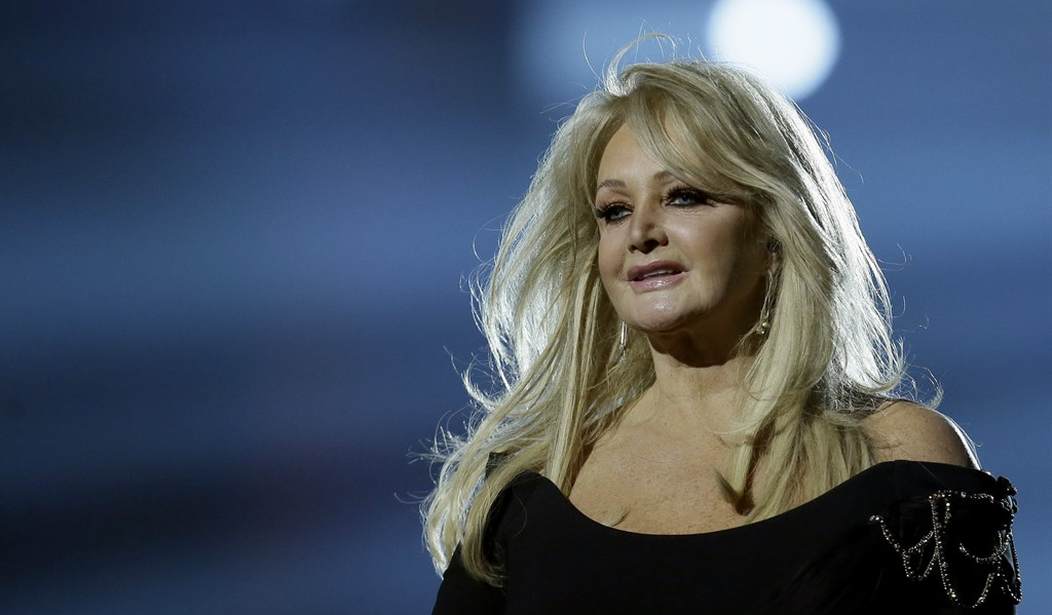
It's time to talk about Bonnie Tyler, who died July 8 at 75, in a hospital in Portugal after emergency intestinal surgery. I don't usually run obituary columns. But I spent years in radio, including the stretch when her records were tearing up the Top 40 in half a dozen countries at once, so I'll make the exception.
I first caught Bonnie's name when "Lost in France" started working its way up the UK charts in 1976. It hardly got noticed in the States, but I was keeping an eye out for her because I knew eventually, her songs would be a part of my playlists. It took a couple more years, but she landed her real breakout in 1978 with "It's a Heartache" — a song that hit #3 on the Billboard Hot 100, sat on the chart for 21 weeks, and finally made her an international name instead of a regional one.
Plenty of people at the time assumed she was faking that voice. She wasn't. She got it by ignoring her doctor. Surgeons removed nodules from her vocal cords and ordered six weeks of total silence to heal. Bonnie, by her own admission, never shut up in her life and wasn't about to start then. The result: one of the most recognizable voices in pop music, manufactured entirely by a woman who couldn't follow simple instructions. (Shrug)
After "It's a Heartache," her momentum cooled. She pushed her label to pair her with Jim Steinman—the man who wrote and performed on Meat Loaf's theatrical hits—and that partnership resurrected her career outright. It produced 1983's "Total Eclipse of the Heart," one of the defining singles of the decade, and 1984's "Holding Out for a Hero," which later showed up in both Footloose and Shrek 2.
Tyler never let the hits define the whole career, either. She kept recording into her seventies, released a memoir in 2022, and was midway through a comeback tour — with a homecoming show booked in Cardiff, Wales — before the illness that killed her put a stop to it. She was a coal miner's daughter from Skewen, Wales, who worked a grocery store counter before a talent contest changed her life. That's a longer arc than most of the acts who outcharted her ever managed.
Yeah, plenty of singers racked up bigger catalogs or more chart hits. Almost none of them built a voice you could identify within two seconds of a needle hitting vinyl. Her biggest songs are still radio staples and pop-culture shorthand five decades later.
Rod Stewart marked her passing with a tribute of his own—performing "It's a Heartache" live alongside Jools Holland, and posting on Instagram that the two "shared similar styles of vocalizing," calling her "a good pal" and "a true soul stirrer." Coming from a man with that voice, it's as close to a professional peer review as she was going to get. My respect for Stewart has gone up several notches from its already lofty perch.
Alan O'Day once imagined a rock-and-roll heaven, stocked with a hell of a house band for anyone who ever believed the song could last forever. You might know the Righteous Brothers had the hit with it.
I'm here to tell you, Bonnie Tyler just earned herself a seat.