


So Tuesday night, I got to talking with an old friend — someone I worked with years ago — and that conversation is what got me started on this.
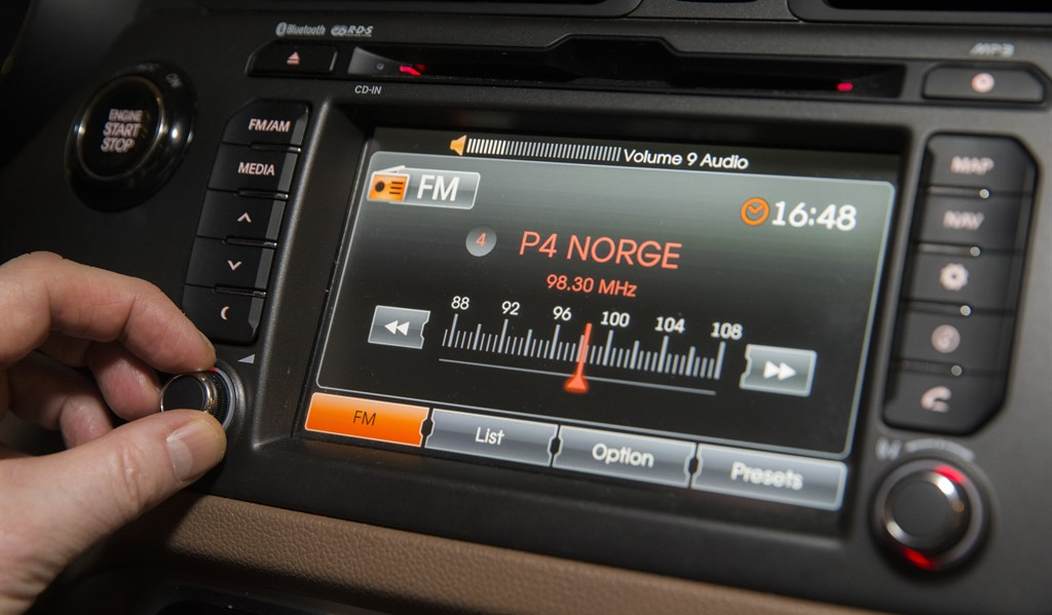
You may or may not know that I spent years in the radio business as an air personality and production tech, from the early ’70s until around 1987. Back then, the profession carried a real mystique, at least for me, and the people on air commanded serious money.
Growing up and learning the craft, I looked up to a handful of people whom I later got lucky enough to work alongside — the local greats around these parts. I won’t drop their names because you probably wouldn’t recognize most of them, and this is already going to run long. But working next to people I had literally grown up listening to meant the world to me. One of them became one of the best friends I ever had. I say that in the past tense because he’s been gone for many years now, and I still miss him every day.
They all told me the same thing: you could once make a comfortable living behind a mic, but those days were coming to a close for most of us. I jumped on the train just as it was slowing down and managed to ride it for about 15 years. I got lucky — I had the skills, my voice held up, and I worked my way into that comfortable inner circle. I made decent money and never sat idle longer than I chose to. I watched with alarm, however, as today’s situation developed right in front of me. For every person who made it back then, maybe 20 or 30 didn't. I ran full-service stations, busted my hump making sure listeners stayed informed and entertained, and took that responsibility seriously. My peers respected me for it, as did those veterans I admired so much. Two men I particularly admired, people I learned my craft from by listening to them from a very young age, told me I was as good as anyone they’d ever heard, and they were proud to work with me. Talk about an ego booster!
Now? Everything's different. Satellite delivery — both direct and through terrestrial stations — plus automation gutted the industry. Maybe one station in 10 still has live people running the place, which means now you've got 200 or 300 people chasing every spot that opens up. And the ones who do land those spots aren't pulling in the bucks we used to, believe me. Supply and demand.
Everything I spent years doing — running a hot control board by hand, touching every single thing that went out over the air — is practically a lost art now.
But here’s the thing that hit me near the end of my time in radio: this whole business was always about selling ads. The content — the stuff I poured myself into — mattered less and less to owners as automation and syndication took over. It may have meant quite a bit to the listener, but not to management. I spent all those years thinking I was in the radio personality business. Turns out I was in the advertising business the whole time.
Why did it all change? The old model simply cost too much to sustain. A local guy running a show by hand, doing it right, might pull more listeners — but he can never generate enough revenue to justify his salary at most stations today. Owners can make just as much money, sometimes more, letting the machine do everything. And most of them do exactly that.
A big piece of the shift, honestly? Television bled away the audience, as did MP3 players and streaming services like Amazon Music, Spotify, etc.
In the process of an extended conversation over an adult beverage, the subject of the fast-approaching demise of legacy media came up. I'll leave it to you to draw whatever parallels you see fit.
Old radio — and old radio people — share something with old newspapers and the people who made them. I think both helped speed up their own decline by overestimating their importance to the final product. And the final product, let's not forget, was advertising.
So go ahead, tell me again what a tragedy it is that legacy media outlets are in free fall today. I don't share that concern here. A little honest self-assessment would do everyone in that world a world of good. Journalism isn't a higher calling. It was an important job, sure — but no more important than what I did all those years behind the mic, and nowhere near as important as your average J-school grad will try to convince you it is.
“Will journalism die out altogether?” my friend asked. I took a sip and told him it depends on what you mean by journalism. I pulled out my trusty 1956 Barnhart dictionary — yes, I still have it — and pointed out that it defines “newsman” as someone who reports the news, while “journalist” is someone who writes what they think. So the definitions ran the year I was born.
I'll leave you to draw your own conclusions about what passes for hard news these days. In my writings, I decry often enough the state of supposed “hard news” because of the obvious left-leaning bias in that trade anymore. That's another reason I shed no tears for legacy media heading in a circular motion around the drain.
That said, what I told my buddy is this: journalism in the pure Barnhart sense — which is really what we do here — will probably do just fine for the foreseeable future.
Newspeople? That remains to be seen.