





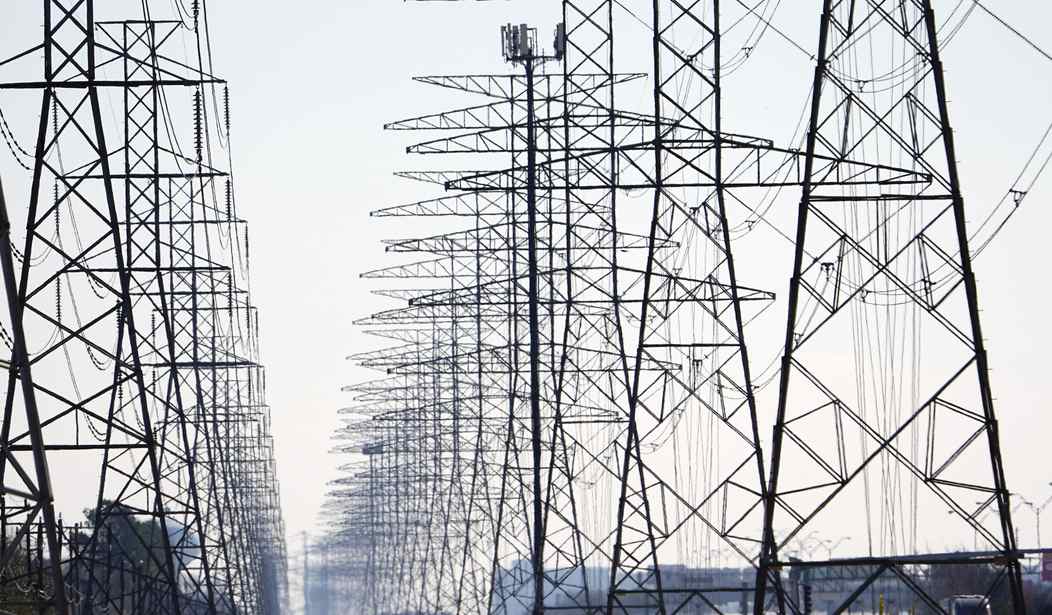
President Donald Trump is pushing federal agencies to clear the path for pipelines and power lines as Congress continues debating energy-permitting reform. Considering the condition of America’s electrical grid, the more troubling question is why removing needless delays has taken so long.
At an October 13 meeting in Washington, administration officials described efforts already underway at the Army Corps of Engineers, the EPA, and the Interior Department. Their aim is to shorten the approval process for energy infrastructure that can spend years waiting for federal permission before construction even begins.
Lee Forsgren, the Army’s senior civil works official, said individual Corps permits can take a year and frequently two. The agency is preparing proposals to expand nationwide permits, a streamlined option for activities with minimal environmental effects. Forsgren floated allowing certain projects to disturb up to two acres, rather than the current half-acre limit, and said the agency aims to complete eligible permits in roughly 45 days.
From Conservative Daily News:
“A lot of it is transmitting that energy across our country, whether it’s power lines, whether it’s pipelines, and I think that is now the greatest opportunity, and unfortunately, happens to be one of the areas of greatest … litigation in the country,” Interior Deputy Secretary Kate MacGregor said on the panel.
The permitting system so often ends in litigation that companies cannot assure shareholders when a project will be delivered, MacGregor said, adding that “we need aggressive action.”
“What you need is the strength and durability of these decisions to last beyond just one administration,” she said of the discussion over judicial review of permits.
Those are proposals and goals, not a promise that every pipeline or transmission project will suddenly receive a 45-day approval. Still, Trump’s team is doing something useful: examining which federal hurdles actually protect the public and which merely keep construction plans trapped in Washington.
The Corps already reissued 56 existing nationwide permits and added one new permit in January. Eligible projects still face applicable conditions, but the system offers a path around the longer individual permitting process when their environmental effects qualify as minimal.
The urgency is documented by Trump’s own Energy Department. Its July 2026 draft National Transmission Needs Study found a pressing need for additional power lines as electricity demand rises from data centers, factories, and other major users. Aging transmission equipment and changes in electricity generation add further pressure.
This is about more than convenience. The people who manufacture essential supplies, run hospitals, farm, and keep businesses open need dependable electricity. America’s ambitions in artificial intelligence and domestic manufacturing also require enough generation and transmission to deliver power where it's needed. Announcing another factory or data center accomplishes little if the electricity can’t reach it.
ICYMI: Trump’s DOJ Takes a Texas Gun-Rights Ruling Nationwide
Independent reliability experts have sounded similar alarms. A 2026 assessment from the North American Electric Reliability Corporation documented an 11-gigawatt increase in projected summer peak demand from the previous year’s assessment. Record additions of generation and batteries helped, but some regions remained exposed to shortages under difficult conditions.
Security makes the situation even more serious. Federal watchdogs warn that aging infrastructure and increasingly connected grid controls create vulnerabilities. Foreign adversaries, including China and Russia, pose cyber threats to critical infrastructure. A sophisticated attack could cause an outage with consequences far beyond an inconvenient evening without electricity.
Faster permits won’t install cyber defenses or replace every worn transformer. They can, however, help builders expand and reinforce the physical network. Security upgrades and responsible maintenance must accompany that construction. America needs an electrical system that can handle tomorrow’s demand and withstand tomorrow’s threats.
The EPA and Army are also reconsidering the federal definition of protected waters, with a September proposal that took public comments through October 9. Clear boundaries can help property owners and energy developers understand which projects require federal review, while retaining meaningful water protections.
Congress still has a role. Lasting permitting reform would reduce uncertainty for projects whose financing and construction extend across presidential administrations. But nothing prevents the executive branch from improving processes within its existing legal authority today.
Trump deserves credit for recognizing that the energy system supporting American life can’t be modernized on a government calendar that treats years of delay as normal. Success will be measured by permits issued, projects completed, and a grid better prepared to keep the lights on.
His administration has made a welcome start; now the country needs results.
America needs dependable power, strong infrastructure, and leaders willing to tackle problems before they become crises. At PJ Media, we’re committed to following the decisions that affect your freedom, your family, and your future. Support independent journalism and save 60% on your VIP membership with promo code FIGHT.



Join the Conversation
VIP members get the ability to comment on articles.