





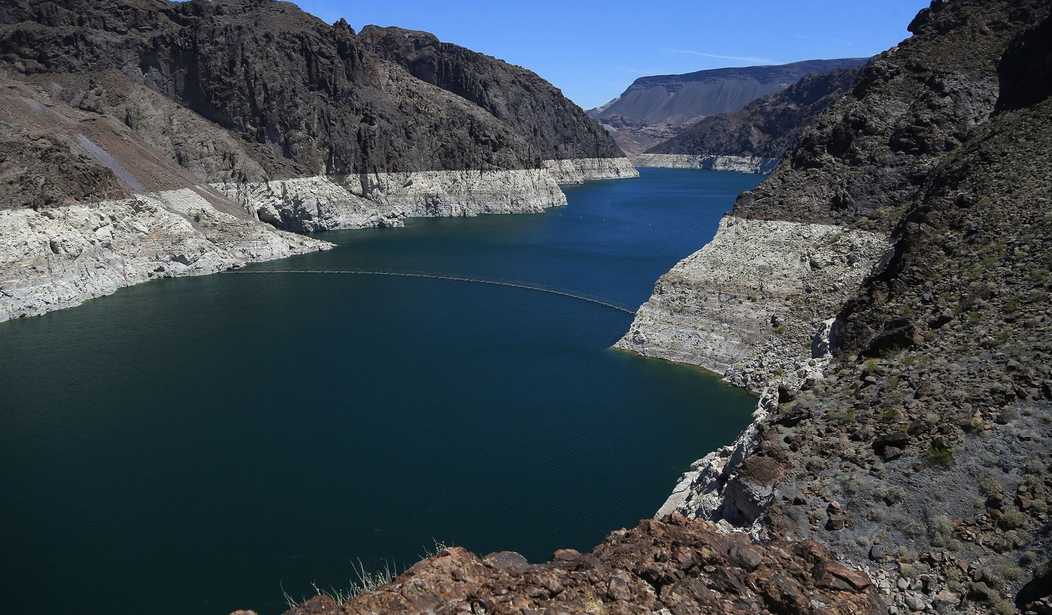
Seven state negotiating teams kept bargaining while Lake Powell and Lake Mead fell to their lowest combined storage in nearly 70 years. On July 19, Powell was 23% full and Mead was 27% full. Reuters:
Should the bureau adopt the Lower Basin's water-saving goals, it would mark a reprieve for Arizona, which, under a bureau proposal, risked losing Colorado River water that millions of people in Phoenix and Tucson use.
"We've had some very positive discussions with Reclamation about Reclamation adopting largely the Lower Basin proposal in a way that would be acceptable to us," Tom Buschatzke, Arizona's chief negotiator in the talks, said in a phone interview on Wednesday. "I think we're getting close to delivering that with Reclamation."
Bureau spokesperson Peter Soeth said in a statement on Thursday that the agency received input from Upper Basin states on the Lower Basin proposal, had made several adjustments to it, and remained "committed to a continued dialog" with states and tribal nations.
Lower Basin states proposed, opens new tab water savings of at least 3.2 million acre-feet through 2028 to maintain critical Colorado River reservoir levels. That represented about half the maximum cuts the bureau proposed, opens new tab.
Together, they held about 12.56 million acre-feet, the smallest combined amount since May 1957, before Lake Powell existed.
The decline has outstripped the political response. Total Colorado River system storage stood at 33% of capacity, down from 39% one year earlier. Lake Powell's expected April through July inflow is only 17% of normal, while federal projections place it near 22% full at the end of the water year.
The river supports nearly 40 million people, tribes, farms, businesses, and power systems across seven states and Mexico. Federal managers reduced releases from Lake Powell and shifted water from Flaming Gorge Reservoir to protect Glen Canyon Dam from dropping below minimum power pool.
Keeping Powell higher means less water reaches Lake Mead, moving more pressure downstream.
Arizona, California, and Nevada have proposed saving at least 3.2 million acre-feet through 2028. Colorado, Utah, Wyoming, and New Mexico objected to major portions of the plan.
Upper Basin officials argue their states already use less than their legal share and absorb shortages whenever snow and runoff fail. The Lower Basin wants firm, measurable reductions across the whole system.
Both camps can cite law, history, and earlier sacrifices. None of those arguments can increase the river's flow. Current operating rules expire at the end of 2026, and the states still haven't agreed on what replaces them.
Federal officials are moving ahead with their own plan because another delay could place water and power infrastructure at greater risk.
California's Metropolitan Water District agreed to leave up to 200,000 acre-feet in Lake Mead in exchange for as much as $65 million in federal funds. Southern California Water District:
Under terms of the agreement, the United States Bureau of Reclamation will compensate Metropolitan for leaving up to 200,000 acre-feet of its Colorado River supplies in Lake Mead this year. (An acre-foot is about 326,000 gallons, enough water to serve roughly three households.) The action is possible because of three decades of major investments in diverse water sources, storage and conservation. Water from the Colorado River and Northern California provide about half of the water supply for 19 million people in Southern California.
"Over the last 30 years, we've transformed how Southern California secures its water future. By investing in diverse water supplies, incentivizing conservation, and capturing and storing water whenever it's available, we've added resilience to our system," said Metropolitan Board Chair Adán Ortega, Jr., adding that Metropolitan and its ratepayers have invested $1.7 billion in conservation, water recycling and groundwater recovery since 1990, producing over 8.8 million acre-feet of water. "Those decades of forward-thinking investments allow us to step forward and help stabilize the Colorado River when it needs us most."
“That’s why flexibility in how we operate is so important – so we can take advantage of opportunities like this one to help when the water is available,” he added.
Under the agreement approved by the board, Reclamation will pay Metropolitan $325 per acre-foot, up to $65 million, to keep these supplies in Lake Mead this year. The funding comes from the 2022 Inflation Reduction Act’s Lower Colorado River Basin System Conservation and Efficiency Program.
The water equals roughly 65 billion gallons. District officials called the agreement a temporary measure and warned that lasting progress still requires all seven states to reduce demand.
Paying water users to leave supplies in reservoirs can help during an emergency, also revealing the cost of delay. Federal taxpayers are now buying time while state negotiators protect existing claims and postpone durable reductions.
Aubrey Bettencourt leads the Bureau of Reclamation as principal deputy commissioner, exercising delegated commissioner authority. Her agency now faces the decision the states avoided.
Without an agreement, the bureau is expected to impose its preferred approach by early August. Lawsuits could follow, consuming more time while the reservoirs continue falling.
The next rules should tie the reductions to measured river flow, count evaporation and delivery losses, and trigger cuts before reservoirs approach dangerous power levels.
Every state will give up water, and waiting only guarantees harsher reductions, higher costs, and greater uncertainty for families.
Seven states have spent years arguing over a shrinking supply. The record low removed any excuse for another season of delay.
PJ Media keeps holding officials accountable after the headlines move on. Join PJ Media VIP today and get 60% off with promo code FIGHT.



Join the Conversation
VIP members get the ability to comment on articles.