


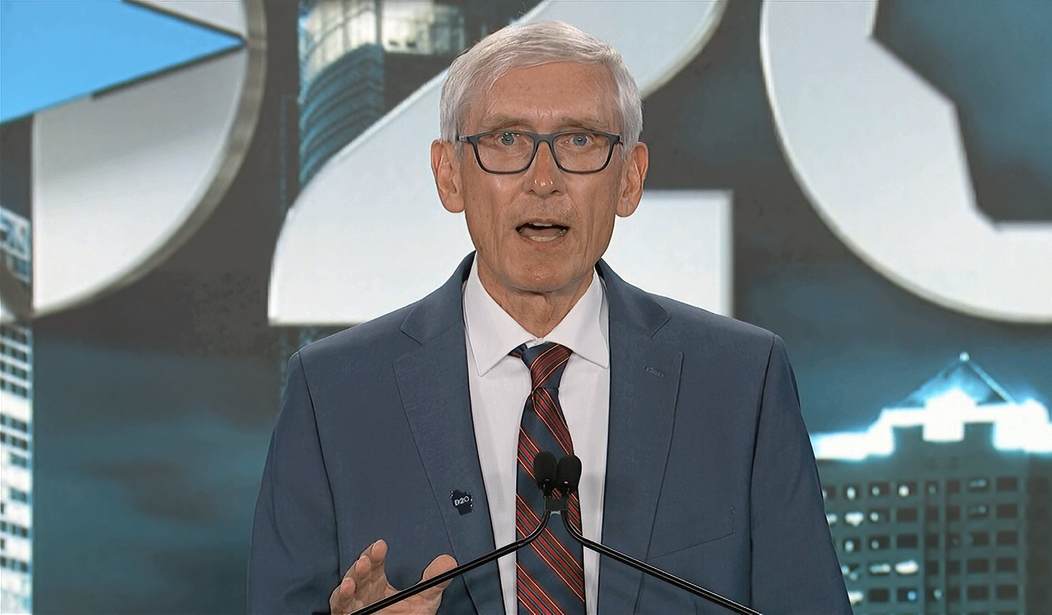
Wisconsin Gov. Tony Evers vetoed a bill that would've allowed the state to opt into a federal school tax credit program. The proposal would've opened a new path for families seeking alternatives to traditional public schools, using private donations incentivized through federal tax credits.
Evers called the program a nationwide expansion of private voucher schools, while proponents of the legislation say that it simply allows every taxpayer to donate up to $1,700 to help fund education.
“The ‘Big Beautiful Bill’ created the first major federal program to effectively redirect public funds to private school tuition through tax incentives,” Evers wrote in his veto. “It is the first-ever federal effort to fund private school scholarships through vouchers. The federal government will pay individuals in exchange for donating to organizations that award scholarships to attend private schools.”
Evers framed his decision as a defense of public education funding, arguing that programs tied to private school choice risk diverting attention and resources away from public school systems.
His position aligns with a long-standing approach that prioritizes direct investment in public schools over expanded choice-based programs.
That explanation sounds straightforward, but it removes a broader pattern that's been building for years.
School choice proposals often run into the same wall, even when structured to avoid tax cuts to public school budgets. Tax credit models, including the one proposed here, rely on private contributions instead of reallocating existing state education funds.
That distinction should ease concerns about harming public schools, but the opposite remains firm.
State Rep. Clint Moses supported the measure and argued it would expand opportunity without stripping resources from public classrooms. Supporters of the bill viewed it as a way to give families more flexibility while preserving the current funding structure.
The veto Evers delivered signals something deeper than a disagreement over mechanics; it reflects a philosophical divide about who should control education dollars.
On one side, policymakers like Evers emphasize strengthening public systems as the primary path forward.
On the other side, advocates for school choice push for models that allow families to direct resources toward alternatives they believe better serve their children.
“Put another way, the federal government is now going to use public funds that should be used for public schools to essentially reimburse donors for helping fund private schools instead,” Evers wrote. “No joke.”
The Wisconsin Council of Religious and Independent Schools, however, argued that public schools stand to benefit as well.
“The FTCS simply allows taxpayers to make a charitable contribution to the educational entity of their choice,” the group said in a statement. “As public schools have far more students than private schools, public schools stand to gain so much more funding through the FTCS. We see the value of a healthy educational ecosystem in Wisconsin, and the FTCS will help to ensure every student in Wisconsin has the ability and the resources to succeed.”
This divide isn't new, but decisions like this one keep reinforcing it.
Other states have adopted similar tax credit programs without collapsing their public school systems. Those programs operate next to traditional funding models, giving families additional options rather than replacing existing structures.
Meanwhile, veto supporters argue that even indirect incentives can shift attention and long-term investment away from public schools, especially in communities already facing funding challenges.
Despite the flotsam and jetsam surrounding them, neither side is backing down.
The debate no longer centers only on budgets or program details; it now reaches into questions about fairness, access, and the role of government in education.
Stuck between both sides, in the center, are families.
Some want more control over where their children go to school, while others worry that expanding choice could weaken the systems that serve the majority of students.
Evers's veto doesn't answer those questions; it sharpens them while ensuring that Wisconsin's education debate will keep moving forward, with both sides pressing their case but providing little middle ground in sight.
Education fights don’t stop at one veto. They build over time, shaped by decisions like this and the reactions that follow. If you want deeper, ongoing coverage that tracks how these policy battles unfold and what they mean long term, PJ Media VIP offers that perspective at a strong discount when you use promo code FIGHT.




Join the conversation as a VIP Member