


A strange headline recently crossed the wire: The National Park Service warned visitors about the dangers of quicksand in Glen Canyon National Recreation Area in Arizona and Utah.
The warning focused on areas along Lake Powell where saturated sand can suddenly lose structure, trapping a person's legs.
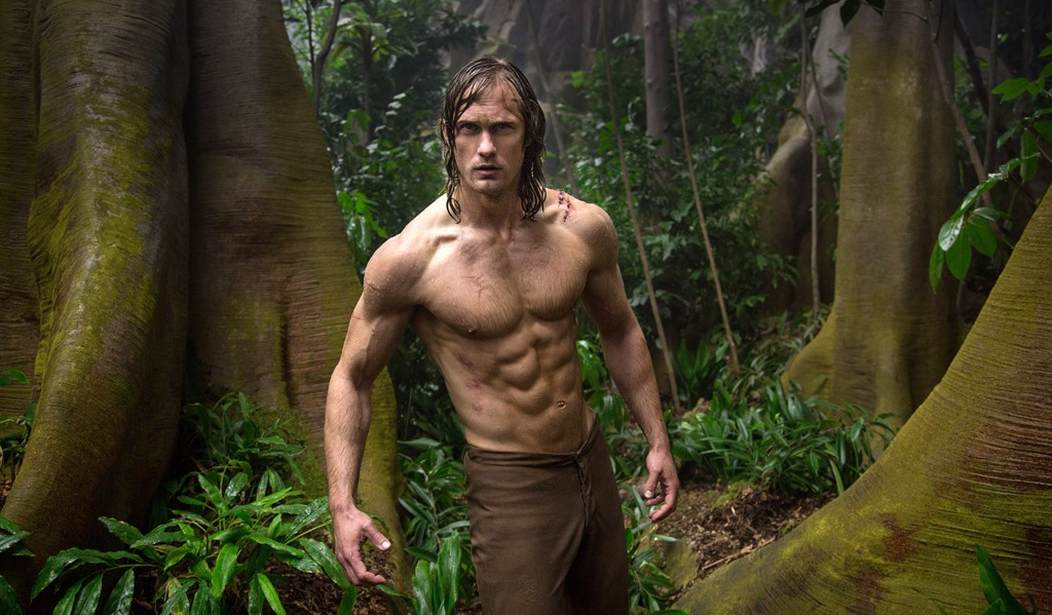
For someone who has followed the news for more than four decades, that headline caused a double-take: Quicksand warnings seldom appear in modern reporting. Childhood memories tie the concept to black-and-white jungle movies starring Johnny Weissmuller, in which Tarzan inevitably rescued someone sinking into a bubbling pit of sand.
One year, during a drive to push deer during Wisconsin's rifle season, a friend of my brother's walked into a small swamp. A dozen steps later, his boots stuck fast to the muck, but panic struck when he started sinking. The man's eyes bulged like Redman Tobacco in an old ballplayer's cheeks.
My brother did two things quickly and correctly: he reached out and grabbed his friend's rifle, then unloaded it. Secondly, he calmed the guy down, grabbed a long, sturdy branch, and pulled him out.
I watched the hysterics of being stuck in the middle of nowhere firsthand.
Reality turns out to be both less dramatic and more complicated. Park rangers described pockets of unstable sand forming along newly exposed shorelines around Lake Powell. As water levels change, layers of fine sediment remain saturated beneath the surface. A visitor stepping onto that ground may suddenly sink knee-deep or deeper. Rangers warned that extraction becomes difficult if somebody panics or struggles.
Quicksand isn't just a movie trope at Glen Canyon National Recreation Area right now, according to a rare alert from the National Park Service. Officials say patches of quicksand may lurk near shorelines and in drainages across the 1.25-million-acre park, which spans northern Arizona and southern Utah and includes Lake Powell, the Weather Channel reports.
- "It can look dry and solid on top but may suddenly give way.," the NPS said "Watch for unstable, shifting, or unusually soft ground, and use caution when entering these areas."
While the agency notes quicksand is "rarely life-threatening," getting free can be exhausting. Their guidance: stay calm, avoid frantic struggling, lean back to spread your weight, and use slow, deliberate movements to work toward firmer ground. Sudden movement can cause a person "to sink deeper and mixes more water into the sediment, reducing buoyancy," the NPS says.
The geology behind quicksand has nothing to do with bottomless pits. Quicksand forms when water saturates fine sand or silt, reducing friction between grains. The ground still supports weight at first, but disturbance turns the mixture into a slurry. A footstep breaks the structure, causing it to sink.
Researchers studying sediment behavior note that the human body can't fully sink into natural quicksand: Density differences between water-saturated sand and the human prevent complete submersion. Most victims become trapped waist-deep at worst.
Jon steps into the chilly water. He yelps like a puppy, but strides on, buttocks bouncing. Soon, he's thigh-deep. "Easy wading!" he calls. His words end in a squawk. Jon's arms fling up, elbows stiff, fingers splayed. I hear the dread word: "Quicksand!"
Quicksand is odd: a bed of silt becomes saturated with water so that its grains no longer cohere. Heavy objects — a cow, a log, my husband — sink readily but can't easily rise. Quicksand creates a suction that makes it difficult to move anywhere but down, which is why creatures caught in it often die from exertion or starvation.
The locals assure us quicksand is a hassle, not a danger. "Do not panic," our map instructs us. "You will most likely not sink past your waist." But this quicksand is under five feet of water. If Jon sinks to his waist, his head submerges by at least a foot. He's already up to his armpits.
Those facts help explain why quicksand fatalities remain extremely rare; a scientific literature review covering incidents between 1990 and the early 2000s found fewer than a handful of documented deaths worldwide directly tied to quicksand. Danger usually comes from secondary factors: tides, dehydration, or hypothermia turn an immobilizing situation into a fatal one.
A well-known example occurred in 2012 when a man in England became trapped in tidal quicksand along Morecambe Bay. Incoming water posed the lethal threat, not the sand itself.
The United States records almost no deaths from modern quicksand. Most documented cases involve temporary entrapment in riverbanks, tidal flats, or desert sediments. Victims typically escape with help from companions or rescuers.
Sediment specialists working with river systems have long documented similar conditions along the Colorado River basin, especially in areas where fine silt mixes with groundwater seepage. Falling water levels around Lake Powell expose large stretches of newly deposited sediment, increasing the risk of unstable patches forming.
The contrast between Hollywood mythology and reality becomes striking when one considers how often older films used quicksand. Entertainment historians studying classic adventure films counted dozens of quicksand scenes in movies released between the 1930s and the 1960s. The trope appeared so frequently that audiences assumed the hazard lurked everywhere.
Scientific data tells a different story. Quicksand occurs in specific geological environments, such as tidal marshes, river deltas, desert springs, and certain lake shores. Even in those locations, the phenomenon rarely traps someone long enough to cause serious injury.
But while quicksand is real, the idea that you could be sucked under its surface and completely disappear just isn't so. In a 2005 study, University of Amsterdam researcher Daniel Bonn — who had heard cautionary stories about quicksand from shepherds while on a visit to Iran — and colleagues replicated quicksand in a laboratory.
They then placed aluminum beads with the same density as a typical human body on top of the mixture and shook it. Even though the quicksand collapsed, the beads didn't get sucked under. Instead, they floated atop the surface, never more than half-submerged.
The Glen Canyon warning represents an unusual moment rather than a widespread trend. Park officials issued the advisory because changing water levels exposed fresh sediment layers around Lake Powell. Visitors exploring shoreline areas may step onto ground that appears solid but behaves more like mud beneath the surface.
Practical advice from rangers remains simple: Avoid running across wet sand near receding shorelines, test the uncertain ground with a walking stick, and spread your body weight if sinking begins, then move slowly toward firmer ground.
Old jungle movies trained generations to imagine dramatic rescues involving ropes and frantic shouting. Actual quicksand incidents rarely require heroic vines swinging through the trees.
Still, the Glen Canyon advisory produced a rare moment when fiction and reality briefly intersected. A hazard that many people associate with Tarzan films remains real, even if the true danger level falls short of Hollywood imagination.
Still, the Glen Canyon advisory produced a rare moment when friction and reality briefly intersected. A hazard associated with Tarzan films remains real, even if the true danger level falls short of Hollywood's imagination.
For visitors hiking the canyons around Lake Powell, one lesson stands out. Ground that looks harmless may still behave unpredictably. Quicksand may not swallow explorers whole, but a careless step still leaves somebody stuck long enough to ruin an afternoon adventure.