


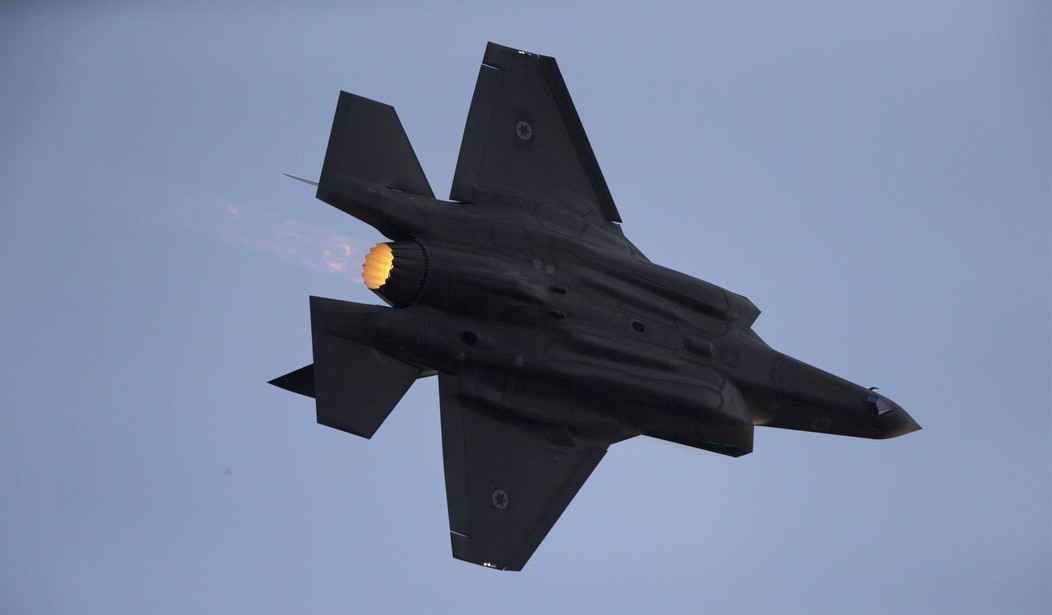
During Operation Epic Fury, Israel launched the largest air operation in its history, when around 200 Israeli Air Force fighter jets struck roughly 500 targets across western and central Iran.
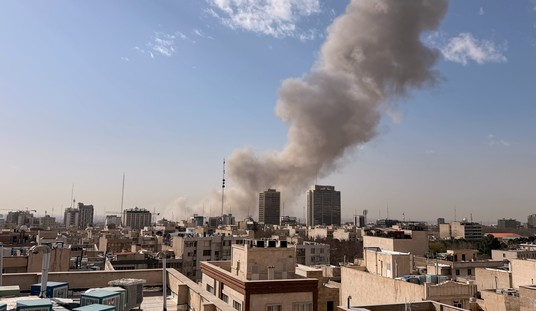
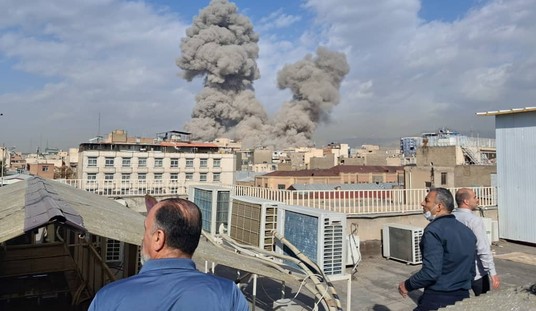
Targets included missile launch systems, air defense batteries, military compounds, intelligence centers, and strategic government sites. Israeli officials said the goal was to secure air superiority and degrade Iran's ability to launch further attacks. Explosions were reported in Tehran, including facilities tied to Supreme Leader Ayatollah Ali Khamenei.
Israel Defense Forces Chief of Staff Lt. Gen. Eyal Zamir oversaw operational planning, while the Defense Minister Israel Katz stated that the strikes removed direct threats to Israeli territory and people. Israeli officials described the mission as highly coordinated and built on months of intelligence work. U.S. support included strategic coordination and adjustments to regional force posture.
The strikes significantly degraded Iran’s anti-aircraft capabilities and thwarted planned missile attacks against Israeli civilian population centers.
Among the targets was a missile site near Tabriz, used by Iran’s surface-to-surface missile units and assessed as a launch point for planned large-scale attacks on Israel.
The IDF said the destruction of key air defense systems enabled Israeli aircraft to operate more freely over Iranian territory, expanding aerial superiority and reducing threats to both IAF planes and Israeli civilians.
President Donald Trump called the action a decisive step against Iran's military infrastructure, saying it targeted assets tied to Iran's missile network and nuclear ambitions. Pentagon leadership supported the operation as a measured effort designed to prevent escalation, while protecting American interests in the region.
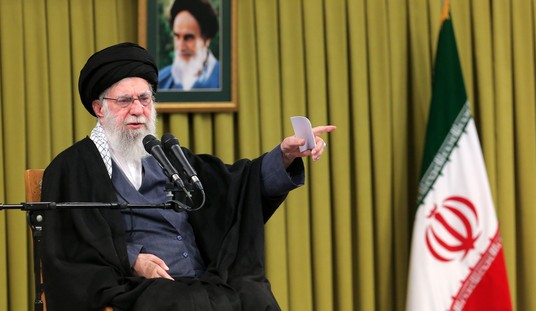
In what may have been a pre-recorded message, Iran’s Supreme Leader Ayatollah Ali Khamenei condemned the strikes. In strikes that hit offices near his location, his death has been unconfirmed as of this writing.
As PJ Media teammate Matt Margolis writes, the unconfirmed reports would lead to significant implications in the region.
If the reports hold, this will have huge implications for the Middle East. Iran without Khamenei is an entirely different beast — fractured, angry, and leaderless. And for the first time in decades, the possibility of real change inside Iran isn’t a fantasy. It’s a tangible reality.
Israeli Prime Minister Benjamin Netanyahu made clear that the objective of the operation is nothing less than regime change in Tehran, declaring that it was designed to remove the ayatollah’s grip on power and open the door to a different future for Iran.
The operation “will create the conditions for the brave Iranian people to take their destiny into their own hands,” he said. “The time has come for all sections of the people in Iran… to remove the yoke of tyranny from (the regime) and bring a free and peace-loving Iran.”
Related: Did Trump Just Take Out Iran’s Supreme Leader?
The scale of Israel's 200-jet operation marks a significant shift in the regional security environment. The coordinated response from Gulf governments highlights growing alignment against Iranian military aggression, as leaders across the region have made clear that direct strikes on sovereign territory won't go unanswered.
Iran now faces mounting diplomatic isolation across the Gulf. Israel demonstrated operational reach deep into Iranian territory. Regional governments quickly activated defenses and reinforced existing partnerships.
As the legacy media used to say, stay tuned.
Become a PJ Media VIP member today and get 60% off with promo code FIGHT. Enjoy ad-free reading, exclusive content, and support independent journalism.




Join the conversation as a VIP Member