


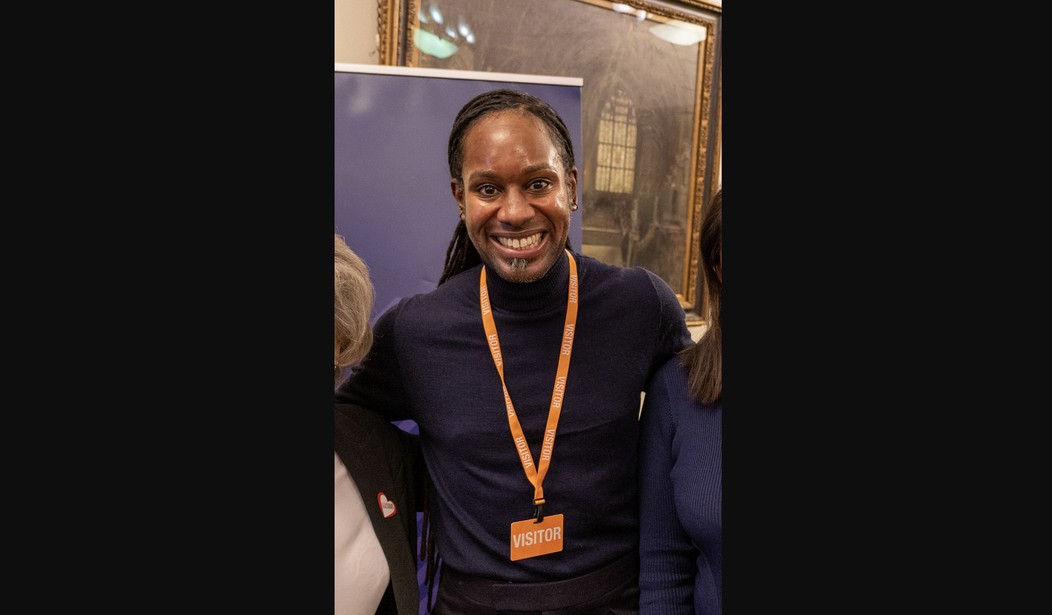
Nathan Cofnas, the American academic who exposed alleged plagiarism by the late Jason Arday, has been suspended by Ghent University in Belgium.
The Belgian university said its suspension on August 20 was enacted as a "precautionary measure" while the university conducts a preliminary disciplinary investigation into claims that Cofnas discriminated against Arday.
"I was just suspended by Ghent University. They will almost certainly fire me. The decision was made by rector Petra De Sutter, a former leader of the Green Party," Cofnas announced on X.
Ghent University launched the inquiry following Arday's death, stating that academic freedom "is not unlimited" and must be balanced with the responsibility to oppose discrimination.
Cofnas, a postdoctoral researcher in philosophy, previously lost his position at Cambridge University in 2024 due to his public criticism of Diversity, Equity and Inclusion (DEI) policies in academia, and has written extensively about race, intelligence, and meritocracy.
He was the primary figure who revealed that Arday, Cambridge's youngest black professor, had committed extensive plagiarism and completely fabricated biographical details.
The serious accusations eventually led to Arday's August 5 resignation from Cambridge and suspected death by suicide on August 14.
Ghent University confirmed Cofnas' suspension, but did not disclose the specific allegations against him, citing the confidentiality of personnel records and disciplinary proceedings.
"Over the past few days, Ghent University has received many enquiries following the death of Cambridge professor Jason Arday… we wish to be clear about the values we uphold as a university," De Sutter wrote in a statement.
She stated that the university supports academic freedom and open debate, including debate involving controversial views, but stressed that such freedom carries responsibilities and can be restricted to protect the rights of others.
"Ghent University stands for respect for human dignity and opposes discrimination, hatred and racism. We attach great importance to academic freedom and to open academic debate, even when views are controversial. However, that freedom is not unlimited. It goes hand in hand with responsibility and may be restricted in order to protect the rights of others," De Sutter added.
Cofnas' suspension comes amid intense scrutiny of the circumstances surrounding Arday’s academic career and his resignation from the University of Cambridge shortly before his death. Arday, 41, became Cambridge’s youngest black professor when the university appointed him in 2023. He resigned from his position and from Jesus College, Cambridge, after the university announced a new investigation into concerns surrounding his academic qualifications and other allegations of misconduct.
In his resignation letter, Arday described the criticism against him as harassment and said his decision to step down should not be interpreted as an admission of wrongdoing. He denied deliberately plagiarizing material, but acknowledged errors in his academic work.
Several days later, police found Arday unresponsive at a property in Battersea, south London, where he was pronounced dead at the scene. Police described the death as unexpected, but said they were not treating it as suspicious. Authorities have prepared a file for the coroner, but no official cause of death has been publicly disclosed.
Questions about Arday’s academic work had circulated before Cofnas brought them to wider public attention. Cofnas published a detailed investigation on Substack on July 21, after revealing that he had received information from a whistleblower within Cambridge. His report presented side-by-side examples that he said showed substantial similarities between sections of Arday’s doctoral thesis and previously published academic material.
Cofnas said other academics had raised concerns about Arday’s scholarship before his investigation became public. He has characterized the controversy as a broader institutional failure, arguing that Cambridge and others ignored or dismissed concerns about Arday's academic record for years.
If the university concludes that Cofnas violated institutional rules concerning harassment, discrimination, confidentiality or professional conduct, it will have to determine the appropriate disciplinary response. However, if the investigation goes after him on his decision to publish or discuss allegations of academic misconduct, the case could raise broader questions about the boundaries of academic freedom and whistleblowing.
Support and follow PJ Media’s coverage of breaking news and key events. Join PJ Media VIP and use promo code FIGHT to get 60% off your membership.





Join the conversation as a VIP Member