


Forced apology coloring pages: the flip side to land acknowledgments
Australia recently started a tradition of observing National Sorry Day. To celebrate, children come home from school after teachers force them to write apology notes for atrocities that happened in the far, remote past. National Sorry Day is a day of commemoration and mourning for the Australian First Nations people's land being colonized and, in their opinion, invaded by British settlers. The schools in Australia have observed Sorry Day since the early 2020s.
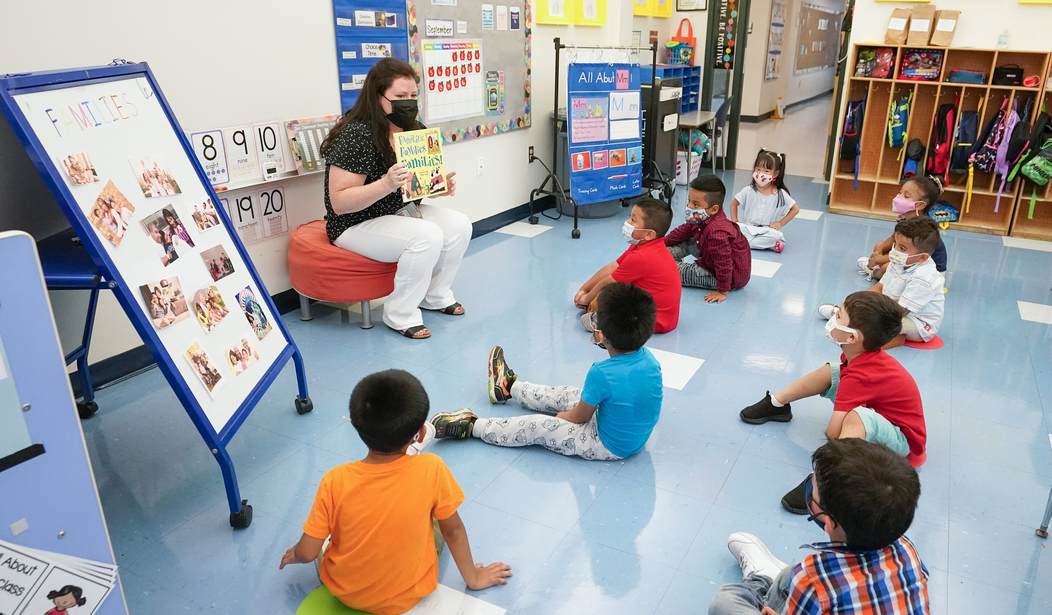
New South Wales schools, including Sydney, have been rather notorious for assigning students to personally write and sign apology cards and coloring pages. The cards read, "Sorry for hurting you. Sorry for hurting your land," and "Sorry for hurting the Dharawal people. We will be kind now." Some kids were given coloring sheet assignments rather than cards regarding Sorry Day. The coloring page boy's mother and other parents were appalled.
Historically, settlers did mistreat the original inhabitants and committed crimes in many countries. The Trail of Tears is one of the most heart-rending examples of indigenous people being mistreated according to federal orders. These families had to walk up steep, snowy mountains to move to a reservation because a certain U.S. president (Andrew Jackson) said so. Some became deathly ill or died while walking on the trail.
Additionally, some Native American children were forcibly taken from their families, had their hair cut short against their will, were yanked out of their homes, and were “civilized” in boarding schools. The kangaroo, a staple of Australian Indigenous culture, was disappearing from overhunting, and, to put it mildly, these families were not happy about it. In sum, many Indigenous people and their daily routines were uprooted to make room for settlers' farms and homes all over the world.
But the preschool-age students of present-day Australia should not be falsely blamed or forced to write apology notes for it. This is the kind of instruction that may break a child's spirit at a tender age, as it clearly frames this bleak history as their fault. The children were the scapegoats.
Children this young are starting to develop newly-minted empathy. They may identify with people (historical and otherwise) and fictional characters, including those who are portrayed as kind, meek, and victimized in assigned readings and have had shocking adversity. The whole world and all people will be innocent in their eyes. The children would want to help the characters or historical figures feel better and maybe to treat them as friends if they were in the figures' place.
Strangely, according to actual parents, "there was nothing spoken about - they just came home with them. Their parents had to discuss Sorry Day with them." No explanation and no accountability. A grandmother said her grandchildren were "very upset" and felt "very guilty." "As a grandma, I said, 'You've done nothing wrong, it's all in the past, you have nothing to worry about, you're kind little children,'" she said. Some First Nations parents needed to explain to their preschool children that their ancestors were conquered and enslaved by the British before the parents were ready!
Further, the relevant governments already saw that their actions were horribly wrong a long time ago. They have been trying to fix their mistakes and make amends for centuries.
Read the flip side to big issues and join PJ Media VIP. Become a PJ Media VIP today, and save 60% with the code FIGHT.